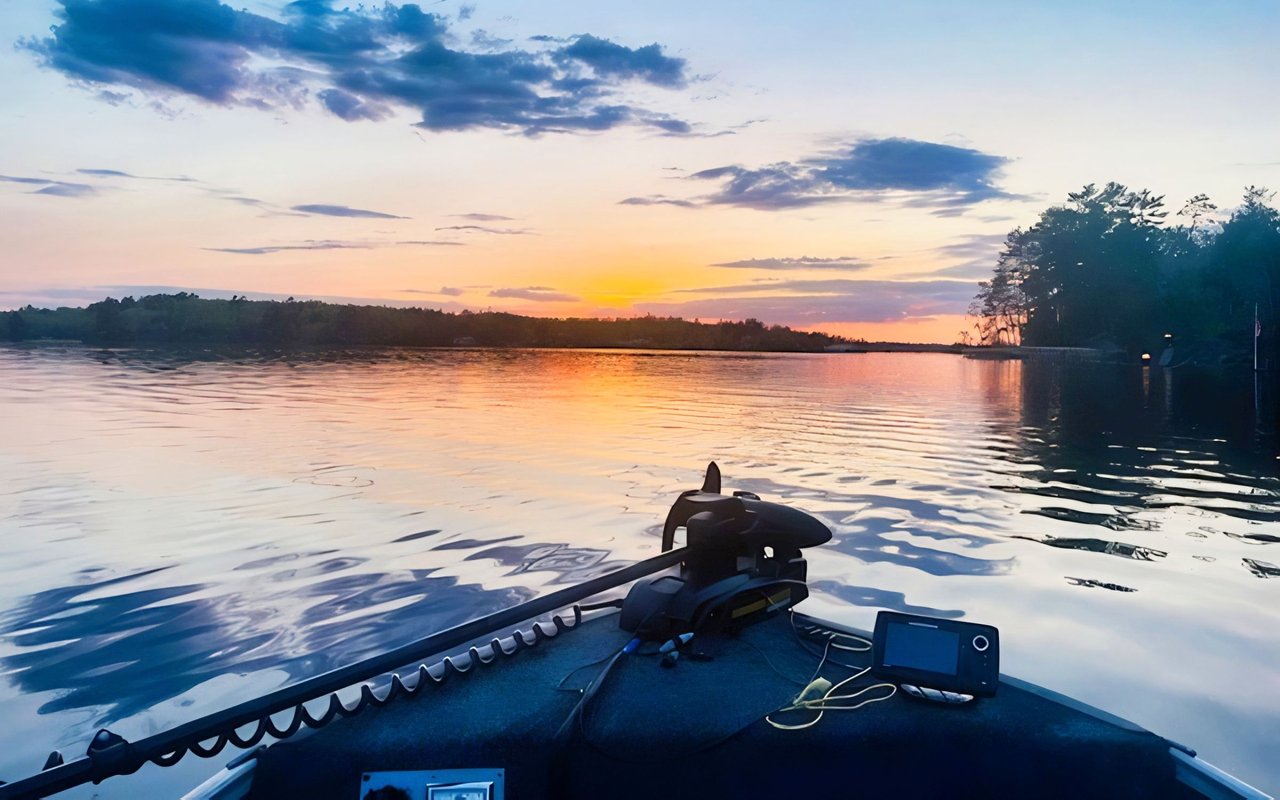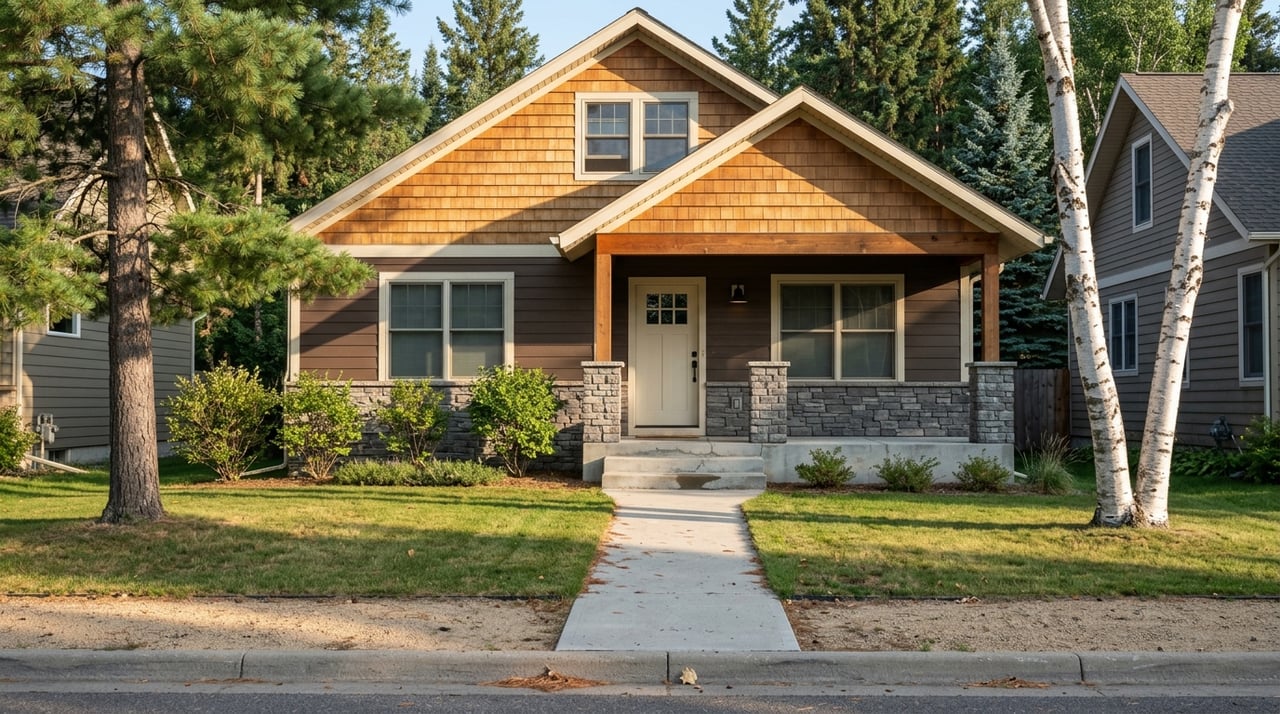
Wondering whether you should buy a home in Cook or head out to a nearby Lake Vermilion property? It is a smart question, especially in a place where town living and lake living can feel close together on a map but very different in daily life. If you are weighing convenience against shoreline access, this guide will help you sort through the tradeoffs and choose the fit that matches how you actually want to live. Let’s dive in.
Why This Choice Matters in Cook
Cook is a small town of about 600 on the west end of Lake Vermilion, and that setting shapes the local housing conversation. Lake Vermilion is a 39,271-acre lake with 341 miles of shoreline and 365 islands, so buyers here are not just choosing between two home styles. You are often deciding between a service-connected in-town base and a more lifestyle-driven shoreline property.
That matters because the local market is not one-size-fits-all. In and around Cook, you may see traditional homes in town, year-round lake homes, seasonal cabins, vacant shoreline lots, island parcels, and boat-access properties. Even when two properties share a Cook address, the ownership experience can be very different.
Cook In-Town Homes at a Glance
If you want day-to-day simplicity, an in-town home in Cook may be the easier choice. The town has a concentrated group of everyday services, including grocery, health, vehicle repair, laundry, bait and tackle, marina and recreation, and other local businesses. For many buyers, that kind of access supports a more flexible and lower-friction routine.
Cook also has town-centered public services that matter when you are living there full time or visiting often. North Woods Elementary and North Woods Secondary are both located in Cook in St. Louis County School District 2142. St. Louis County also has a Cook Sheriff’s Office location that serves Cook, Orr, and the Lake Vermilion west-end area.
Transportation and regional access also lean in favor of town. Cook’s comprehensive plan identifies Highway 53 as the main traffic carrier, connecting south to the Iron Range and Duluth and north to International Falls and Canada. The plan also notes paved streets, Arrowhead Transit, and a city airport.
Nearby Lake Properties at a Glance
If your goal is direct water access and a stronger connection to lake life, nearby Lake Vermilion property may be the better fit. This is where you find more variety in property types, from cabins and year-round homes to island sites, shoreline lots, and boat-access properties. That wider mix gives you more lifestyle options, but it also asks you to think more carefully about access, upkeep, and long-term use.
Lake Vermilion is not a small lake community with one predictable housing pattern. Its scale and geography create a broad inventory with very different ownership experiences depending on shoreline, lot type, and accessibility. A property on a road-access lot will likely feel very different from an island parcel or a boat-access cabin.
This is one reason local lake knowledge matters so much. On Lake Vermilion, the best choice is often less about the headline price and more about what comes with the property, including water access, septic considerations, shoreline rules, and how easy it is to use the home in every season.
How the Property Mix Compares
The in-town Cook market tends to show a modest single-family sample. One current example is 411 S River St, listed at $176,900 for a 2-bedroom, 1-bath home with 1,044 square feet. Zillow’s current Cook home-values page also shows 26 homes for sale and an average home value of $258,931, although broad market numbers should be read carefully in a small market.
The Lake Vermilion and Cook listing mix is broader and more layered. A current public listing snapshot shows 58 homes for sale and includes lots, cabins, boat-access homes, island parcels, and higher-end shoreline properties. Current examples range from $32,900 for a 5.2-acre lot to $399,000 for a 2-bedroom cabin, $650,000 for a 4-bedroom home, and $1.95 million for a larger shoreline property.
That range tells you something important. Lake property near Cook is not a single category. It includes seasonal and year-round use, simple lots and complex sites, and properties with very different maintenance and access demands.
How to Read Prices in This Market
Price headlines can be confusing in Cook because the market is small and waterfront-heavy. Zillow reports an average home value of $258,931, while Realtor.com reports a median home sale price of $670,000 and a 93% sale-to-list ratio for Cook. Those numbers are not interchangeable, and they can reflect different property mixes and measurement methods.
For you as a buyer, that means one market statistic rarely tells the full story. A single in-town house, a lake cabin, a year-round shoreline home, and a vacant waterfront parcel can all pull pricing in different directions. In this area, it is often more useful to compare similar property types than to rely on one big market headline.
A practical approach is to focus on the features that affect value most. Ask whether the property has shoreline, road access, boat-only access, usable acreage, and a finished year-round structure. Those details often matter more than whether the address is technically in town or near the lake.
Daily Life in Town Versus on the Lake
In-Town Convenience
An in-town home usually makes everyday tasks easier. You are closer to grocery options, health services, vehicle repair, laundry, and county services. If you expect to spend long stretches in the area, host family often, or want a simpler base for work and recreation, that convenience can be a real advantage.
Health access is also a meaningful part of the picture. Cook Hospital describes itself as a nonprofit critical access hospital, and its emergency department is designated as an Acute Stroke Ready Hospital and Level 4 Trauma Hospital. Scenic Rivers Health Services says it serves an 8,300-square-mile area with seven medical clinics and four dental clinics.
Lake Lifestyle Appeal
A nearby lake property offers something different. You may get direct water access, more privacy, and the kind of setting many buyers picture when they imagine owning a place Up North. If boating, fishing, dock time, and shoreline views are high on your list, lake living may be worth the extra work.
At the same time, lake living can be less convenient in small but important ways. Depending on the parcel, errands may take longer, access may be more seasonal, and property care may involve more planning. That does not make lake ownership harder for everyone, but it does mean the lifestyle works best when it matches your priorities.
What Lake Ownership Often Adds
Shoreland Rules and Permits
Lake ownership comes with more than a view. Minnesota DNR says shoreland rules regulate setbacks, lot sizes, structure placement, impervious surfaces, and land-alteration activities. It also notes that docks, floating structures, boat ramps, and other shoreline work may require permits.
St. Louis County is the local authority you would typically deal with for many of these issues. The county’s Planning and Zoning Department administers land use and onsite wastewater ordinances and permitting. Its land-use permit guidance says filling, grading, or excavating on shoreland property requires a land alteration permit, and a variance may also be needed if a plan does not comply with county ordinances.
Septic and Ongoing Maintenance
Septic is a major due-diligence item for many rural and lakeshore properties. The Minnesota Pollution Control Agency says more than 600,000 Minnesota homes and businesses use septic systems and that proper maintenance helps increase system life. For buyers, that makes inspection, maintenance history, and future replacement planning important parts of the decision.
You may also need to think more about natural shoreline vegetation, seasonal dock routines, and how any future improvements could be regulated. These are normal parts of waterfront ownership, but they are not always present with a more typical in-town lot. The broader the property’s lake features, the more moving parts you may need to manage.
Which Option Fits Your Goals?
In-Town Cook May Fit Best If You Want:
- Easier access to groceries, health care, and routine services
- Simpler year-round living or frequent long stays
- Better connection to Highway 53 and regional travel
- A more straightforward lot and maintenance profile
- A Northwoods base without shoreline-specific upkeep
Nearby Lake Property May Fit Best If You Want:
- Direct water access on or near Lake Vermilion
- More privacy and a stronger cabin or waterfront feel
- A seasonal or year-round recreation-focused property
- Flexibility to buy a cabin, lot, island parcel, or boat-access site
- The full shoreline lifestyle and are comfortable with extra upkeep
The Real Decision Is Lifestyle
When buyers compare Cook in-town homes versus nearby lake properties, the answer is rarely just about price. The better question is how much convenience you want to trade for shoreline living. If your ideal day starts with simple errands and easy access to services, town may feel right. If your ideal day starts at the dock, the lake may win every time.
That is why this comparison works best when you look beyond the listing photos. You want to understand how the property functions, what it may require over time, and whether it supports the way you plan to use it. On Lake Vermilion, those details can shape your experience as much as the home itself.
If you are comparing options around Cook, working with someone who understands both the market and the on-the-water realities can save you time and help you ask better questions. Whether you are looking for a simple in-town base or a more complex lake property, local insight can make the path clearer.
If you want help sorting through Cook homes and Lake Vermilion properties, Chessica Olson can help you compare the real-world tradeoffs and find the right fit for your goals.
FAQs
What is the main difference between Cook in-town homes and nearby lake properties?
- Cook in-town homes usually offer easier access to groceries, health care, schools, county services, and main-road travel, while nearby lake properties usually offer direct water access, more privacy, and a stronger waterfront lifestyle.
Are Lake Vermilion properties near Cook more expensive than homes in town?
- They can be, but the range is wide because lake listings include many property types, from lower-priced lots to cabins, year-round homes, and higher-end shoreline properties.
What services are available in Cook, Minnesota for full-time or frequent use?
- Cook has grocery, health, vehicle repair, laundry, bait and tackle, marina and recreation, and other local business categories, along with county and medical services nearby.
What should you check before buying a lake property near Cook?
- You should review shoreland rules, possible permit needs, septic details, shoreline conditions, access type, and whether the property is designed for seasonal or year-round use.
Are schools located in Cook, Minnesota?
- Yes. North Woods Elementary and North Woods Secondary are both located in Cook within St. Louis County School District 2142.
Why do Cook housing prices look different depending on the source?
- In a small, waterfront-heavy market, pricing can vary a lot depending on which properties are included and how the data is measured, so broad market numbers are not always directly comparable.