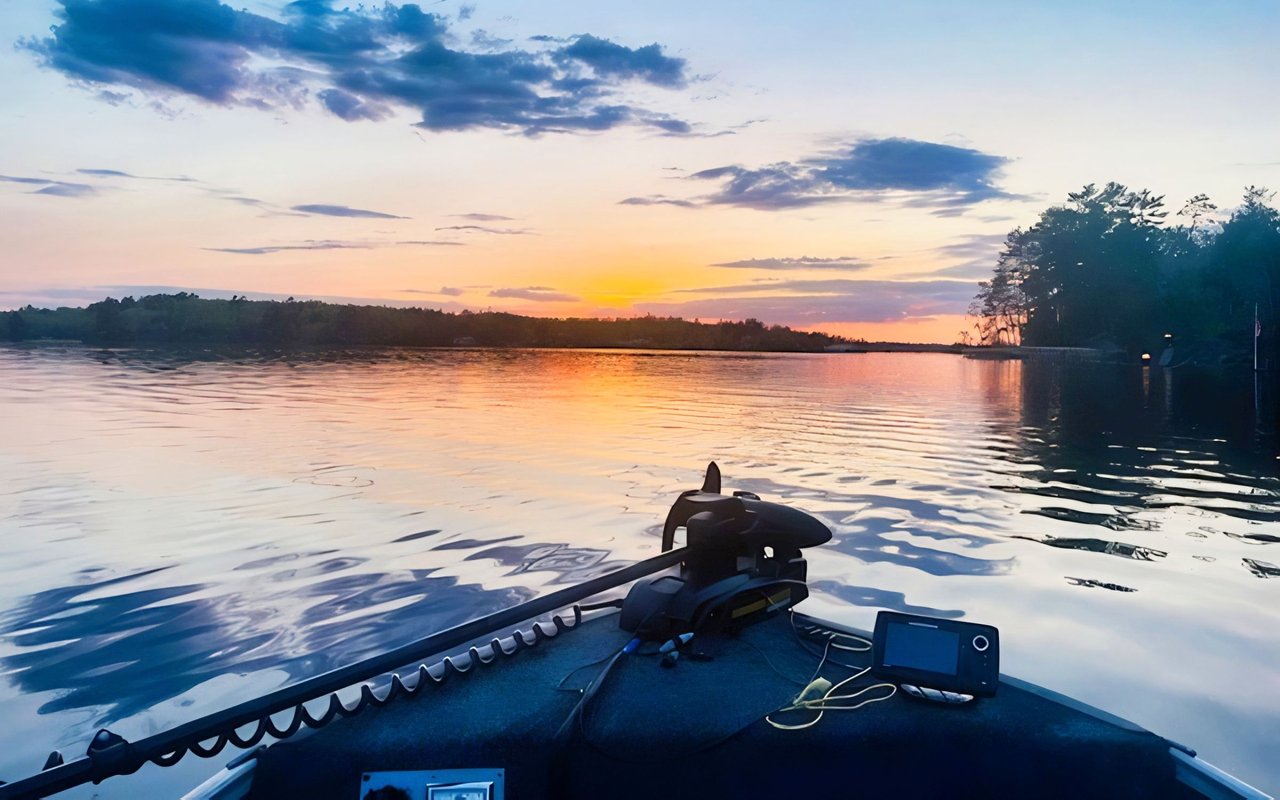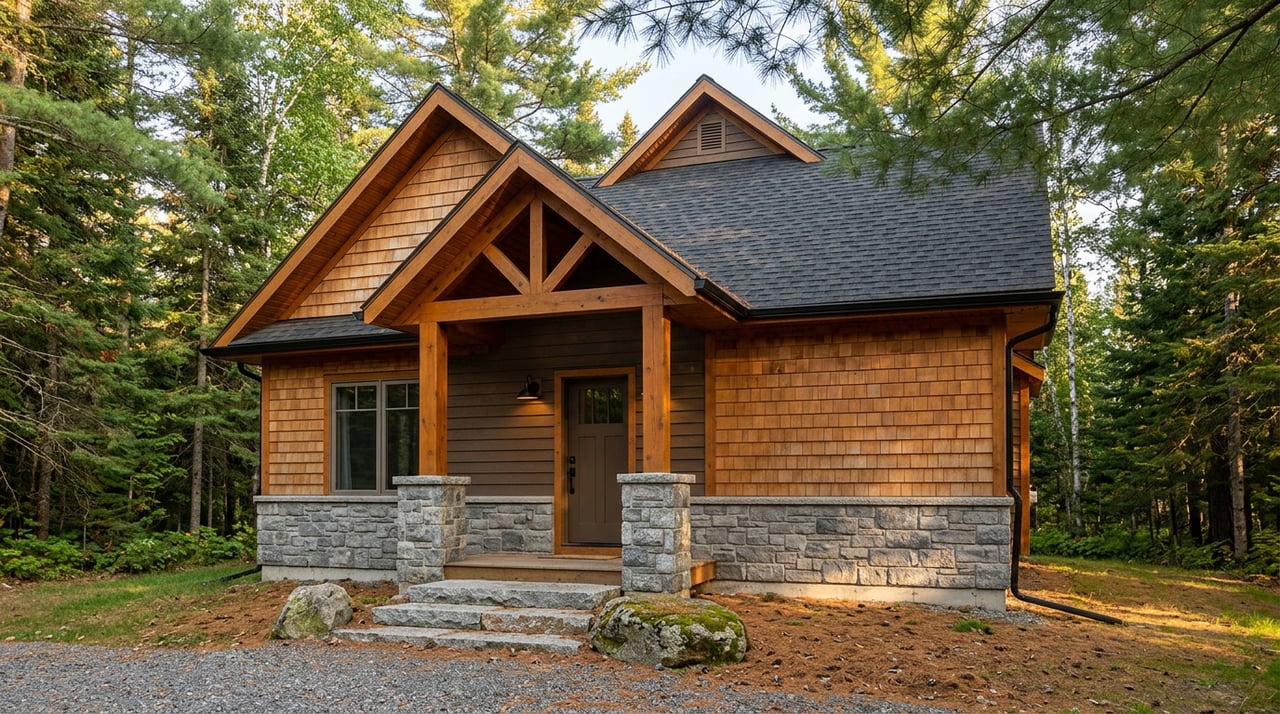
Trying to choose between Crane Lake and Lake Vermilion for your first cabin can feel like picking between two great versions of the Northwoods. You want peaceful water, easy boating, solid fishing, and enough services to make weekends simple. This guide breaks down the real differences in size, access, services, fishing, and long‑term ownership so you can match the lake to your lifestyle. Let’s dive in.
Quick take: Which fits you best
- Choose Lake Vermilion if you want a big‑lake feel, island exploring, multiple marinas, and a longer boating season with plenty of nearby services. The Minnesota DNR notes Vermilion spans about 39,271 acres with 365 islands, giving you extensive water to roam. Learn more about Lake Vermilion.
- Choose Crane Lake if you want direct water access to Voyageurs National Park, a quieter setting, and the option to launch houseboat or backcountry adventures from your dock. The lake is roughly 2,900–3,000 acres and connects to Namakan, Sand Point, and Kabetogama for multi‑lake trips. See Crane Lake details.
Lake size and feel
Lake Vermilion: Big water, island hopping
Lake Vermilion stretches roughly 37 miles with hundreds of miles of shoreline and 365 islands, which creates a true large‑lake experience. You get long, scenic runs and countless protected bays for calm‑water cruising. The scale spreads out boat traffic while still giving you lively resort corridors on summer weekends. The DNR keeps robust lake management information available for planning your seasons on the water. Check the DNR’s Vermilion overview.
Crane Lake: Gateway to wilderness waters
Crane Lake sits at the doorstep of Voyageurs National Park and the Namakan Reservoir chain. The local feel is intimate and wild, with Canadian Shield shorelines and short routes into bays and park inlets. Many buyers choose Crane as a launch point for multi‑lake exploration and quieter days on the water. View lake basics and access notes.
Boating and access options
Vermilion: Marinas, services, and variety
On Vermilion, you can enjoy everything from pontoon cruising to island picnics and guided fishing. Multiple marinas and lake businesses support fueling, repairs, and seasonal services. You can even find houseboat opportunities and public island camping in the region. For trip ideas and on‑lake activities, see things to do on Lake Vermilion.
Crane: Voyageurs NP from your dock
Crane Lake shines if you want quick water access to Voyageurs. Outfitters and houseboat operators depart from Crane, which lets you use your cabin as a base for park adventures and backcountry overnights. The National Park Service provides details on water‑based routes and permits for backcountry travel. Explore backcountry access in Voyageurs and see local departures via Voyagaire.
Fishing expectations
Vermilion: Walleye and muskie reputation
Lake Vermilion is known for quality walleye and muskellunge, with active DNR management and surveys that help guide anglers through the seasons. Smallmouth, northern pike, perch, and lake whitefish round out a classic northern fishery. Review species notes and management updates in the Minnesota DNR’s Vermilion summary.
Crane: Multi‑lake trips for pike, walleye, smallmouth
Crane Lake hosts a mixed fishery and rewards anglers who like to move between connected waters. Many visitors target pike, walleye, and smallmouth, using Crane as a gateway to Namakan and Kabetogama. For a quick snapshot of size and public access, see Crane Lake’s lake page, and consult DNR resources for current survey updates.
Town services and year‑round logistics
Crane Lake: Quiet gateway with limited retail
Crane Lake is a small, tourism‑forward community with a handful of resorts, outfitters, and basic supplies. Many owners plan periodic trips to larger towns for full groceries and services, and some properties operate off‑grid or semi‑remotely. The community’s scale is part of the charm, but it does mean planning ahead for winter fuel, plowing, and deliveries. Start with the local visitor overview at Visit Crane Lake and note that the Crane Lake Water & Sanitary District manages community water and wastewater needs in certain areas.
Vermilion area: More marinas and nearby towns
Around Vermilion, nearby towns such as Tower, Soudan, and Cook provide more year‑round services, contractor options, and marina support. For many Twin Cities buyers, drive time to Tower is commonly reported around 3.5 to 4 hours, while Crane Lake is typically longer depending on route and conditions. If you want a blend of big‑lake boating with quicker access to fuel, mechanics, and groceries, Vermilion is hard to beat.
Real estate market signals
Both lakes offer a wide range of properties, from modest cabins and mainland lots to higher‑end lakefront and even private islands on Vermilion. On Crane Lake, access type is a major variable. Road‑in cabins are straightforward, while boat‑in options can deliver better value if you are comfortable with extra logistics. Vermilion tends to have a broader buyer pool and more visible higher‑end inventory, which can be helpful for eventual resale. For current comparables, it is best to review active local MLS data and recent sales with a lake‑savvy agent.
Environmental essentials you should know
Aquatic invasive species are an ongoing focus across northern Minnesota. Expect Clean‑Drain‑Dry requirements, inspection stations at busy landings, and best practices for moving between connected waters. The Minnesota DNR provides clear guidance on preventing spread. Review Clean, Drain, Dry requirements and stay current on monitoring updates, including a 2025 note on low densities of zebra mussel larvae detected in area lakes. Read the DNR’s AIS monitoring update.
Also remember shoreland rules, dock permitting, and septic approvals occur at the county and township levels. If you plan improvements, begin conversations early with the appropriate agencies to streamline your timeline.
What to ask before you buy
Use this quick checklist to focus your search and set realistic expectations:
- Access type: Will you be road‑accessible year‑round or boat‑in only? Confirm winter plowing, seasonal roads, and travel times. Boat‑in can save on purchase price but adds logistics. Local visitor resources for Crane Lake provide helpful context on access and outfitter support. See Visit Crane Lake.
- Utilities and services: Verify well and septic status, whether you are on private systems or a community utility like the Crane Lake Water & Sanitary District, and how propane, fuel, and waste removal work in winter.
- Mobile and internet: Coverage can be spotty in remote areas. Check carrier maps and ask the listing agent for on‑site experience.
- Seasonal costs: Budget for heating, winterizing, dock install and removal, septic pumping, and generator or solar upkeep.
- Shoreline and navigation: Understand shoreline type, proximity to public launches, and your dock rights. On big water like Vermilion, protected bays and nearby fuel can make day‑to‑day boating easier. Reference the DNR’s Vermilion overview for context.
- Invasives and cleaning requirements: Follow Clean, Drain, Dry practices and ask about any local inspection rules.
- Fishing and seasons: Review current DNR summaries for walleye, muskie, and smallmouth trends on the specific basin you plan to fish. Vermilion’s management updates are a great model. See the Vermilion page.
- Resale and rental: Vermilion’s larger market and marina network can help rental demand and future resale to a broad audience. Crane Lake’s wilderness appeal attracts a more specific buyer who prioritizes park access and remoteness.
Which lake is right for you
If you dream of big‑water cruising, island picnics, multiple marinas, and strong local services, Lake Vermilion likely fits your first‑cabin goals. If your heart is set on Voyageurs National Park, quieter bays, and a wilder feel with boat‑in options, Crane Lake could be a perfect match.
A smart next step is to visit both lakes in shoulder season. Test cell service, drive times, and marina access. Then compare specific shorelines and access types with a local lake specialist who understands seasonal operations, docks, and shoreland rules.
Ready to map the right lake to your lifestyle and budget? Connect with Chessica Olson for on‑the‑water guidance, current comparables, and a clear plan from search to close.
FAQs
Is Crane Lake good for first‑time cabin owners focused on Voyageurs National Park?
- Yes. Crane Lake is a designated water‑entry gateway with short boat routes into park inlets and backcountry areas. See the NPS guide to Voyageurs backcountry access.
How does fishing compare between Lake Vermilion and Crane Lake?
- Vermilion is widely known for walleye and muskie with strong DNR management, while Crane offers a mixed fishery and easy access to connected lakes for pike, walleye, and smallmouth. Review the DNR’s Vermilion summary and Crane Lake basics.
What services should I expect if I buy on Crane Lake?
- Expect a small gateway community with limited retail, resort convenience supplies, outfitters, and a local water and sanitary district in certain areas. Start with Visit Crane Lake and the CLWSD for local basics.
Are there boat‑in only properties on either lake?
- Yes. Both lakes include boat‑in options, but you will see this more often around Crane Lake and in parts of Vermilion with island or semi‑remote shorelines. Always verify dock rights, fuel access, and winter logistics before you buy.
How do aquatic invasive species rules affect my boating?
- You must follow Clean‑Drain‑Dry practices and may encounter inspection stations. The DNR also reports ongoing monitoring, including recent low densities of zebra mussel larvae in the area. See Clean, Drain, Dry and the AIS monitoring update.