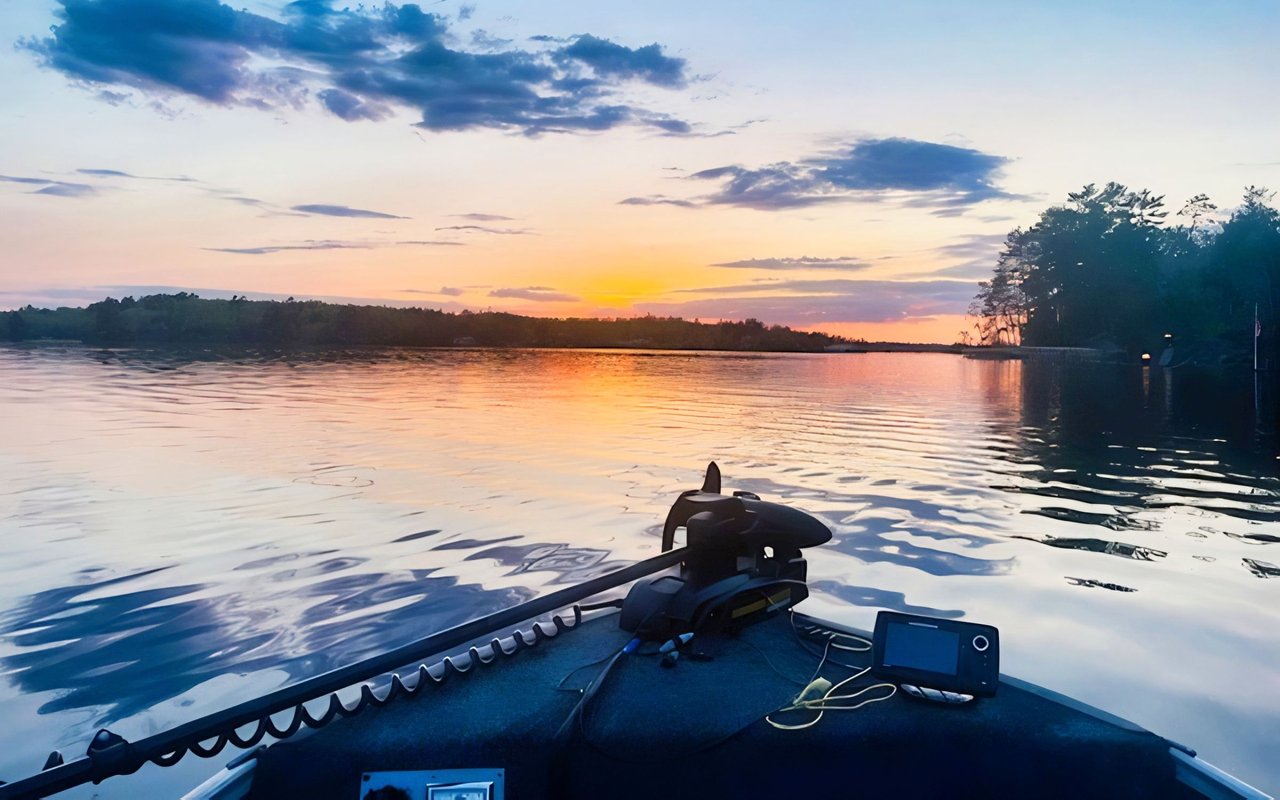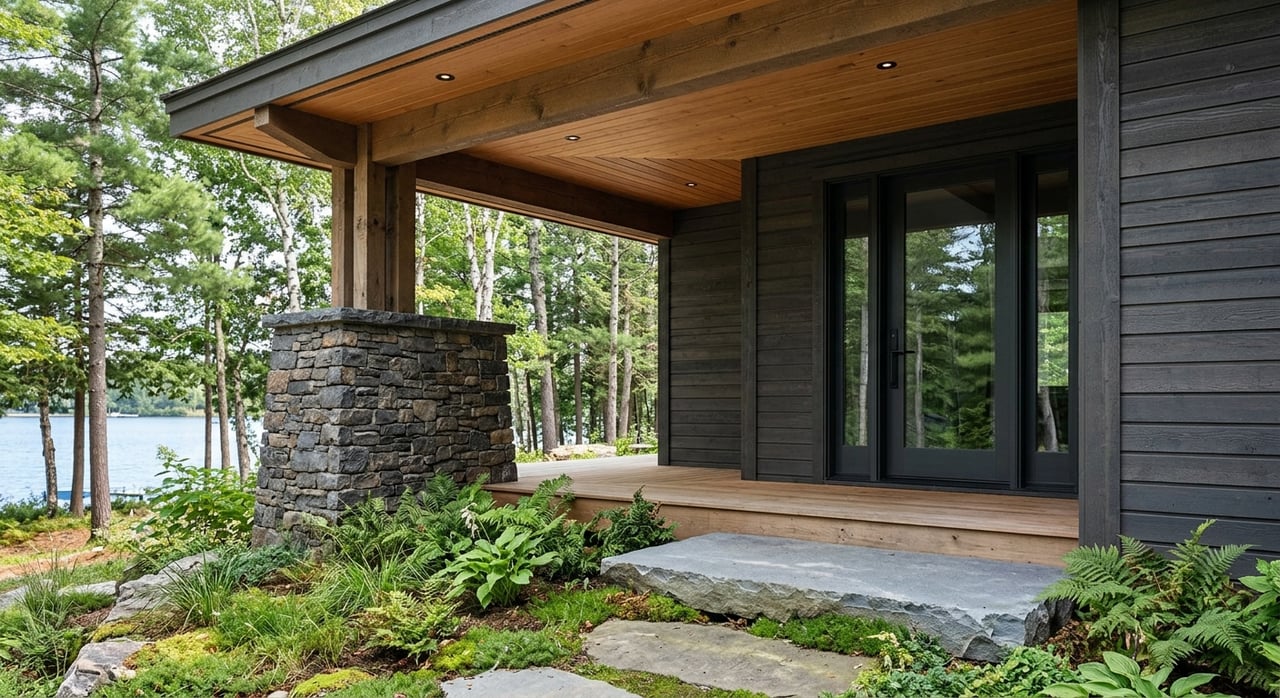
Dreaming about trading city weekends for lake mornings? If you own a home in the Twin Cities and keep coming back to the idea of a Northern Minnesota cabin, you are not alone. The challenge is not just finding a property you like. It is figuring out what kind of cabin life actually fits how you plan to use it, what the drive will feel like in real life, and what ownership details matter before you buy. Let’s dive in.
Start With Your Cabin Goal
Before you compare listings, define what you want the property to do for you. That single step can save you time, narrow your search, and help you focus on the right part of Northern Minnesota.
Most Twin Cities buyers fall into one of four use patterns:
- Weekend retreat for quick escapes
- Summer family base for longer seasonal stays
- Year-round cabin for all-season use
- Legacy property for long-term family ownership
Your use pattern should shape almost every other decision. A cabin you visit once a month has different needs than one you plan to use every weekend or hold for generations.
Match the Region to Your Lifestyle
Northern Minnesota is not one-size-fits-all. If you are moving from Twin Cities homeownership into cabin ownership, it helps to compare areas by experience, access, and daily rhythm.
Lake Vermilion for Big-Water Cabin Living
Lake Vermilion is a strong benchmark for cabin buyers because it offers the classic large-lake experience. The Minnesota DNR describes it as a 37-mile-long lake with 365 islands and more than 39,000 acres. Shoreline figures vary by source, which is a good reminder to focus less on one exact number and more on the lake’s overall scale and character.
Explore Minnesota highlights that much of the shoreline remains undeveloped. For you, that can mean a setting that feels scenic, spacious, and centered on lake life.
Crane Lake for a Remote Feel
Crane Lake is a smart option if you want a more remote experience tied closely to Voyageurs National Park. The park is open and free to access year-round, and the area is associated with boating in warmer months and activities like snowmobiling, snowshoeing, and cross-country skiing in winter.
This area may appeal to you if the cabin is less about town access and more about recreation and a quieter setting. It can be a great fit for buyers who want their Up North property to feel like a true getaway.
Ely for Town Access and Wilderness
Ely offers a different kind of cabin lifestyle. It works well if you want wilderness access without giving up the convenience of a town base.
The Ely area notes nearly 20 Boundary Waters Canoe Area Wilderness entry points and more than one million acres of forest and waterways nearby. Its summer guide also points to amenities along Sheridan Street, including restaurants, outfitters, galleries, a bookstore, and ice cream shops.
Let Drive Time Shape the Decision
Drive time is one of the most practical filters in your search because it often predicts how often you will actually use the property. A cabin that feels easy to reach may become part of your routine. One that feels like a bigger haul may be better for long weekends and vacations.
Here is a simple look at common Twin Cities-to-cabin routes mentioned in the research:
| Area | Approximate Drive From Minneapolis-St. Paul | Best Fit For |
|---|---|---|
| Lake Vermilion | 3.5 to 4 hours | More frequent weekend use |
| Ely | About 4.5 hours | Long weekends and vacation stays |
| Crane Lake | About 4.5 hours | Longer getaways and remote trips |
You do not need to guess how a drive will feel. Test it. Make a couple of real trips at the times of year you expect to travel most. That gives you a more honest picture than any map ever will.
Think About Financing Early
For many Twin Cities homeowners, buying a cabin starts with a bigger question: how will you use the equity you already have? At a broad level, buyers often consider cash, a cash-out refinance, a home equity loan, or a HELOC.
The safest next step is to talk with your lender and your own financial advisors about how much equity may be available and how your monthly payment could change. The right path depends on your current mortgage, your cash reserves, and how you want this cabin purchase to fit into your wider financial picture.
It also helps to remember that using home equity is not just about access to funds. It is also about comfort with the payment structure, closing costs, and long-term flexibility.
Decide If You Need Seasonal or Year-Round Use
Not every Northern Minnesota cabin is set up the same way. If you picture snowy holidays, shoulder-season weekends, or working remotely from the lake, year-round usability matters.
If your plan is mostly summer use, your search may open up to more seasonal properties. If you want four-season access, your property criteria should become more specific early in the search.
That is one reason your use pattern comes first. It helps you avoid falling for a property that looks right in photos but does not match how you want to live with it.
Focus on the Right Due Diligence
Cabin ownership comes with practical details that deserve attention early in the process. In Northern Minnesota, a few items tend to matter more than others.
Check Shoreland Rules First
Minnesota shoreland rules are set at the state level but administered locally. That means county, city, or township offices are usually the first place to go with permit questions.
The Minnesota DNR also recommends preserving shoreline vegetation. It notes that riprap or other hard shoreline armoring may require permits from local government and the DNR.
In St. Louis County, filling, grading, or excavating on shoreland property can require a land alteration permit if the work exceeds certain limits. If you are thinking about future improvements, this should be part of your early review.
Review Septic Status Early
Septic is one of the most important cabin-buying checkpoints. St. Louis County’s Onsite Wastewater Division regulates septic systems under Ordinance 61 and states that septic permits are required for a variety of purposes.
For you as a buyer, that means it is wise to check the system, confirm available records, and understand any county compliance issues as early as possible. Waiting too long can create avoidable surprises.
Ask About Docks, Lifts, and Water Equipment
Waterfront ownership is often about more than the cabin itself. Docks, lifts, boats, and related equipment can affect how ready the property is for use and what responsibilities come with it.
The Minnesota DNR says shoreland residents should clean, drain, and dry equipment, and it warns that docks and lifts must remain out of the water for 21 days before moving to another waterbody. It also recommends using permitted lake service providers for installation and removal help.
For many buyers, these details matter because they affect setup time, seasonal logistics, and future costs. They are worth asking about before you write an offer, not after.
A Simple Filter for Twin Cities Buyers
If you want to narrow your search quickly, use these four questions:
- Will you use the cabin monthly or only a few times each year?
- Do you want big-water boating, park access, or a town-based wilderness hub?
- Do you need seasonal use or year-round functionality?
- Have you reviewed financing, septic, shoreland rules, and dock logistics?
These questions can do more to sharpen your search than hours of scrolling through listings. They turn a dream into a plan.
Why Local Guidance Matters
A Northern Minnesota cabin purchase often looks simple from the outside. Then the details show up: shoreline rules, septic questions, dock logistics, access concerns, and the difference between a property that works for a few summer visits and one that truly fits your life.
That is where local experience matters. If you are moving from Twin Cities homeowner to cabin owner, you want someone who understands not just listings, but how lake properties actually function day to day.
If you are ready to sort through your options around Lake Vermilion and nearby Northern Minnesota communities, Chessica Olson can help you match your goals with the right property and the right next steps.
FAQs
What is the first step when buying a Northern Minnesota cabin from the Twin Cities?
- Start by defining how you plan to use the property, such as a weekend retreat, summer base, year-round cabin, or legacy property.
How far is Lake Vermilion from the Twin Cities for cabin buyers?
- Lake Vermilion is commonly described as about 3.5 to 4 hours north of Minneapolis and the Twin Cities, which can support more frequent weekend use.
Is Ely a good fit for Twin Cities cabin buyers?
- Ely can be a strong fit if you want a town-based setting with nearby wilderness access, including many BWCAW entry points and local amenities.
What should Twin Cities buyers check first on a lake property?
- Early priorities should include financing discussions, septic review, shoreland rules, and the status of docks, lifts, and other water equipment.
Do shoreland rules matter when buying a Northern Minnesota cabin?
- Yes. Minnesota shoreland rules are administered locally, so county, city, or township offices are usually the first stop for permit and property-improvement questions.
Why does drive time matter for a Twin Cities cabin purchase?
- Drive time often shapes how often you will use the property, with shorter drives tending to support spontaneous weekends and longer drives fitting vacation-style use better.