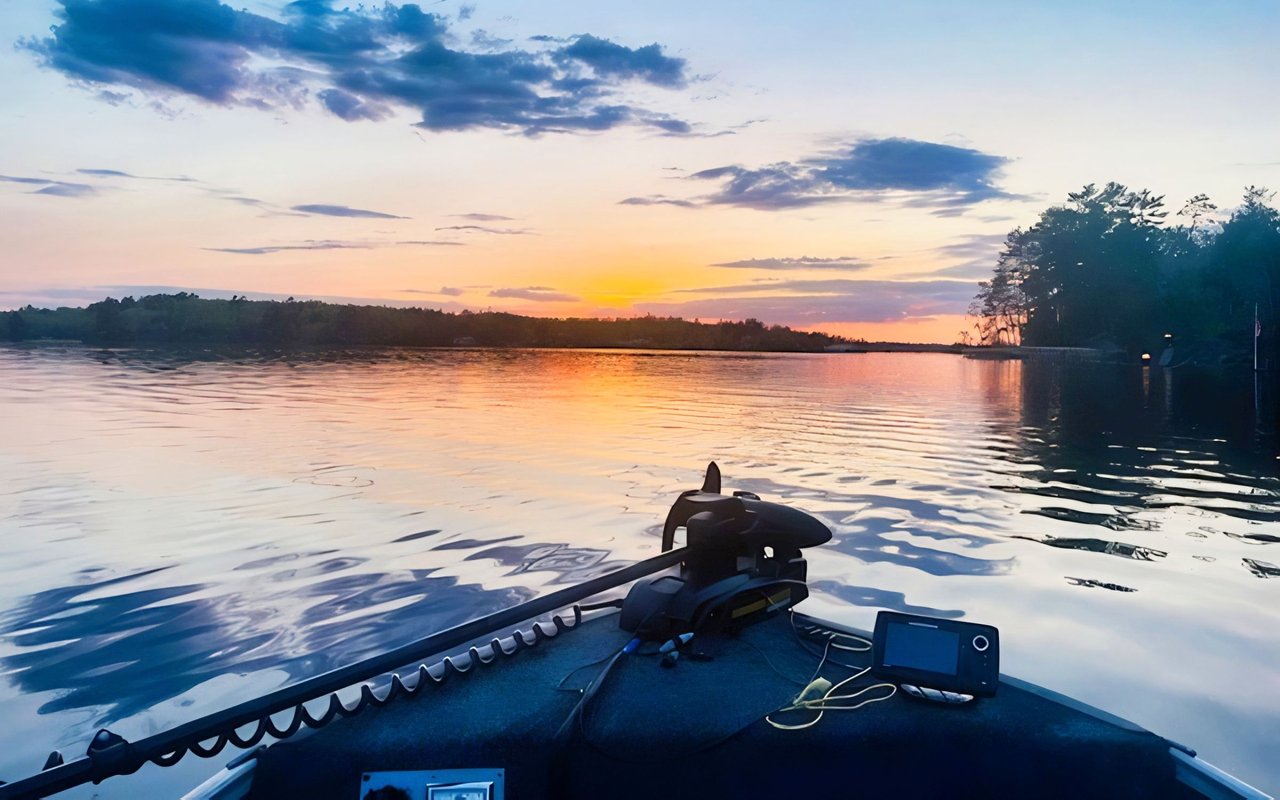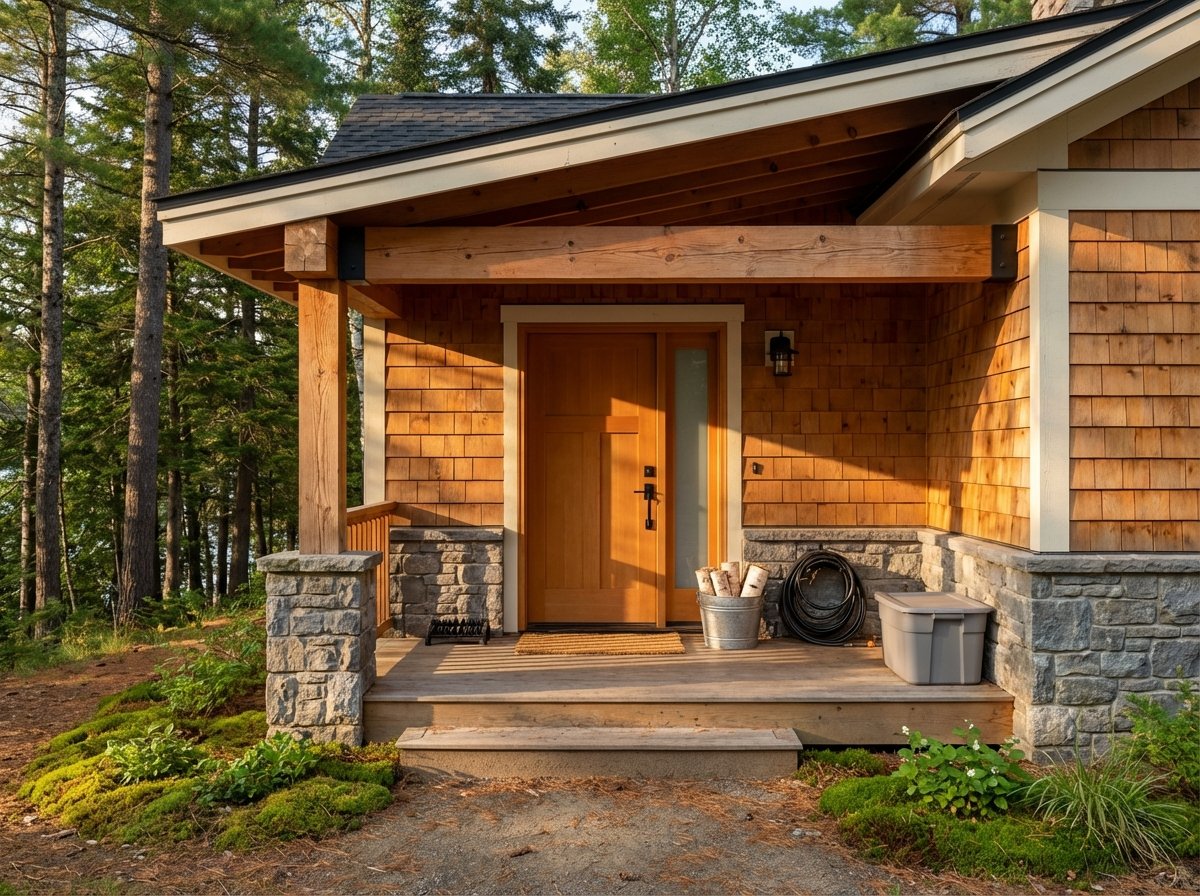
Is it time to say goodbye to a cabin that has held decades of memories on Lake Vermilion? Letting go can feel heavy, and the details can look overwhelming. With a clear plan, you can honor your legacy, avoid last‑minute surprises, and protect your equity. In this guide, you’ll learn what to handle first, what buyers expect on Vermilion, and how to move from “we should sell” to “we’re ready.” Let’s dive in.
What buyers expect on Vermilion
Lake Vermilion stretches across bays, islands, and miles of shoreline, so buyers see everything from simple boat‑access cabins to luxury estates. Expectations vary by location and access. Some buyers want a turn‑key retreat with year‑round access. Others want classic cabins and are comfortable with projects.
Across the board, today’s buyer expects clarity on shoreline rules, well and septic status, and basic safety. Local stewardship and aquatic invasive species (AIS) prevention are community priorities, which shape how people think about docks, shoreline work, and boat use. Setting the right expectations early builds trust and keeps your deal together.
Shoreline rules and permits
You live on the water, so paperwork near the water matters. Getting this right upfront saves time and protects value.
Know who regulates what
Minnesota’s Department of Natural Resources (DNR) regulates public waters, and local counties or townships handle most shoreland permits. Many in‑water projects require permits, while some small floating docks may not. Always confirm requirements with both the county and the DNR before work begins. You can review DNR public waters permit guidance under the agency’s public waters work requirements and the shoreland program for property owners.
Shore Impact Zone basics
Minnesota shoreland rules define a Shore Impact Zone, which limits intensive vegetation removal and land‑altering activities near the water. Counties typically allow a limited view corridor and a single access path, but they expect most shoreline to keep or restore natural buffers. If you plan any clearing, check definitions and standards in the state’s shoreland rules, then confirm local permit steps.
Docks, riprap, and grading
If you’re considering riprap, a retaining wall, or significant grading, start a permit conversation 6 to 12 weeks before listing. Timelines vary by season and whether DNR review is required. Getting answers now helps you avoid surprises during buyer inspections and gives you clear documentation for your listing packet. Start with the DNR’s public waters permit requirements and call the county planning office.
Easements and shared access
Some Vermilion cabins rely on recorded easements or association docks rather than private shoreline. Verify whether your property has private frontage, an appurtenant easement, or membership rights to a shared dock. Gather recorded documents and any cost‑sharing agreements. These details affect value and must be disclosed to buyers.
Septic and wells: inspections and disclosures
On Vermilion, septic and well readiness can make or break a closing. Plan for this early so you can negotiate from a position of strength.
Septic compliance in St. Louis County
Before a sale or transfer, St. Louis County generally requires a septic compliance inspection unless a valid certificate is already on file. If a system is found non‑compliant or an imminent public health threat, the county sets repair or replacement timelines. If work cannot be completed before closing, you may need a cost estimate and an escrow holdback at closing. Start here and review county rules on buying and selling with septic. The Minnesota Pollution Control Agency (MPCA) also provides homeowner guidance and certified professional lists for septic systems.
Private wells: what to provide
Minnesota law requires sellers to disclose the number and status of wells and provide a location sketch at transfer. The state does not require universal well testing at sale, but many lenders request bacteria and nitrate tests. The Minnesota Department of Health explains seller duties and testing recommendations in its well disclosure guidance. Providing recent lab results reduces buyer concern and keeps the loan process smooth.
Quick checklist for septic and wells
- Order a septic compliance inspection if you don’t have a current county certificate.
- Pump the tank and keep service records for your file.
- Complete the MDH well disclosure form and, if requested, test for total coliform and nitrate at a certified lab.
- Keep all certificates, lab results, permits, and receipts together for buyer review.
Safety, maintenance, and required disclosures
Tackle the items most likely to derail an inspection first. A few fixes can preserve momentum and protect your net proceeds.
High‑priority items to address
Roof leaks, structural settlement, active shoreline erosion, unsafe stairs or docks, outdated or unsafe electrical, heating issues, and moisture or mold are top concerns for buyers and inspectors. Document any repairs or contractor estimates. Minnesota law requires disclosure of known material facts that could affect an ordinary buyer’s use or enjoyment of the property, so be thorough. Review the statute on seller disclosures.
Lead paint rules for older cabins
If your cabin was built before 1978, federal law requires you to provide the EPA lead pamphlet and a lead‑based paint disclosure to buyers. Buyers must be given a 10‑day opportunity to test. You can learn more about responsibilities in the EPA’s lead‑based paint disclosure rule.
Aquatic invasive species responsibilities
Lake Vermilion has active AIS prevention programs. If you are moving docks or boats, clean, drain, and dry them and share what you know about AIS status with buyers. St. Louis County outlines responsibilities and decontamination options on its aquatic invasive species page.
Declutter, stage, and showcase the lake
You do not need a full makeover. A targeted approach helps buyers imagine their own lake life and can shorten time on market.
What to stage first
Focus on the spaces that sell a cabin: the great room, kitchen, primary bedroom, and outdoor gathering areas. Remove excess furniture, store personal collections, and keep décor light and neutral. The National Association of REALTORS reports that staging helps buyers visualize the property and can modestly improve offers, especially in key rooms. See their summary on staging insights.
Photography and drone strategy
Lead with the water. Aim for a hero image that frames the lake view from the deck or main living area. Add a clean shoreline shot that shows dock orientation, water depth cues, and the approach path. When allowed, drone photos help buyers understand privacy, tree cover, and access to the main lake or bays. Schedule photography for good light and calm water.
Documents buyers expect
Having a simple, clean packet builds confidence and speeds decisions. Prepare:
- Septic compliance inspection report or certificate, plus pump‑out receipts.
- Well disclosure form and any recent water test results.
- Deed, survey or plat, and any recorded easements or shared‑use agreements.
- Copies of shoreline permits or invoices for recent shoreline work.
- Lead‑based paint disclosure if the dwelling predates 1978.
Price with local precision
Vermilion’s value varies by shoreline, access, frontage length, slope, dock rights, boathouse condition, utilities, and more. Island or boat‑access‑only cabins price differently than year‑round road access, even if square footage is similar. Two nearby parcels on the same bay can have different values based on depth, view corridor, and easements.
A local comparative market analysis (CMA) that pulls recent Cook, Tower, and Greenwood Township sales will give you the clearest pricing window. Pair that with your property’s documents and readiness so you can justify value and negotiate with confidence.
Suggested 12‑week prep timeline
Every cabin is different, but this timeline works well for long‑held properties.
12+ weeks before listing
- Order a septic compliance inspection if you do not have a current certificate. If it fails, collect contractor estimates and replacement timelines. Review county steps for selling with septic.
- If you suspect water issues or anticipate lender requests, order bacteria and nitrate tests through a certified lab and complete the MDH well disclosure.
- Locate recorded easements, surveys, and any shoreline permits. Start a title review if needed.
8 to 6 weeks before listing
- Fix top safety and maintenance items: roof leaks, stair or dock safety, heating or electrical concerns, and moisture issues.
- Schedule a septic pump‑out and keep service records. See MPCA guidance on septic systems.
- If you plan shoreline changes, start permit pre‑applications with the DNR and county. Use the DNR’s public waters work guidance to confirm timing.
4 to 2 weeks before listing
- Declutter, depersonalize, and stage priority rooms.
- Book professional photos and drone images for a calm, bright day.
- Assemble your disclosure packet: septic, well, permits, easements, survey, and any lead documentation.
At contract and closing
- Confirm septic certificates are issued or that required escrows or transfer agreements are in place per county rules.
- Provide buyers with copies of all disclosures and permits.
Preserve your legacy while you sell
You can honor your family’s story while creating a smooth handoff. Consider a small “cabin history” binder with a timeline of improvements, copies of old photos, and practical notes a buyer will value, like how to open and close the cabin each season. If there is a dock routine or a favorite route to a calm bay, write it down.
Clear documentation, honest disclosures, and a focused prep plan give buyers confidence and protect your bottom line. And when you are ready to take the next step, lean on a local expert who understands Vermilion’s shoreline, seasons, and market patterns.
Ready to talk timing, pricing, or a tailored prep plan for your place on Lake Vermilion? Connect with Chessica Olson for a local CMA, a clear marketing strategy, and hands‑on guidance from listing to closing.
FAQs
What inspections are required to sell a Lake Vermilion cabin?
- St. Louis County typically requires a septic compliance inspection or a valid certificate at transfer, and Minnesota law requires a well disclosure; some lenders also ask for water tests.
Do I need a DNR permit to replace or extend my dock?
- Some small floating docks may not need a DNR public‑waters permit, but many in‑water or shoreline projects do, so confirm rules with the county and review DNR public waters requirements before work.
How do septic escrows work in St. Louis County?
- If an inspection finds a non‑compliant system and work cannot be done before closing, the county often requires contractor estimates and an escrow holdback, which is released when replacement is completed.
What well tests do buyers or lenders usually want?
- Minnesota does not mandate universal testing at transfer, but lenders often request total coliform and nitrate tests; provide lab results with your well disclosure.
Can I clear trees for a better view before listing?
- Vegetation removal is restricted in the Shore Impact Zone, and counties limit view corridors and paths, so check the state’s shoreland rules and local permits first.
What disclosures are legally required in Minnesota when selling?
- You must disclose known material facts that could affect an ordinary buyer’s use or enjoyment of the property, and you must follow federal lead‑based paint rules for homes built before 1978; see the state’s seller disclosure statute and the EPA’s lead rule.