Wondering what life on Lake Vermilion really feels like in January, June, and every month between? If you’re picturing sunrise fishing, island picnics, or a cozy winter weekend by the fire, it helps to understand how the lake changes with each season. In this guide, you’ll learn the rhythms of daily life, what to expect for recreation and services, and the practical homeowner tasks that come with lakeshore living. You’ll also find a simple buyer checklist so you can shop with confidence. Let’s dive in.
Lake Vermilion at a glance
Lake Vermilion sits in St. Louis County in northeastern Minnesota. It’s a large, island‑studded lake often described as having about 365 islands. The shoreline is extensive and varied, with quiet bays, open water, and boat‑access islands.
Nearby towns include Tower and Cook, with Ely to the northeast and larger regional centers like Virginia and Duluth to the south. From the Twin Cities, you’ll typically drive 4 to 5 hours depending on route and traffic. The area is rural, so services cluster in town centers and at marinas.
Shoreline use is guided by Minnesota shoreland rules and St. Louis County zoning. The Minnesota Department of Natural Resources (MN DNR) manages fishing seasons, limits, and special regulations, and Lake Vermilion‑Soudan State Park provides year‑round access to trails and outdoor activities. Always check current rules before making plans.
Spring: wake‑up season
Weather and ice‑out
Spring arrives with thawing ice and melting snow. Ice‑out usually occurs in April, though it can shift earlier or later depending on the year. Expect wet ground and soft roads as frost comes out and runoff flows into the lake.
Recreation and rhythm
As soon as the ice clears, early season fishing picks up for walleye and northern pike. You’ll see docks going in and boats returning to lifts. Snowmobile trails stand down and designated routes start to transition to ATV and UTV use where allowed.
Wildlife and scenery
This is a season of returning life. Loons, ducks, geese, and other migratory birds arrive, and mornings can be calm and quiet. You may see more activity on popular fishing weekends, but spring still feels less busy than summer.
Homeowner checklist
- Schedule dock installation as soon as ice‑out is in sight.
- Commission seasonal systems like wells, pumps, and septic if needed.
- Plan for soft driveways and gravel touch‑ups.
- Walk your shore to spot any erosion or downed trees.
Summer: peak lake life
Weather and character
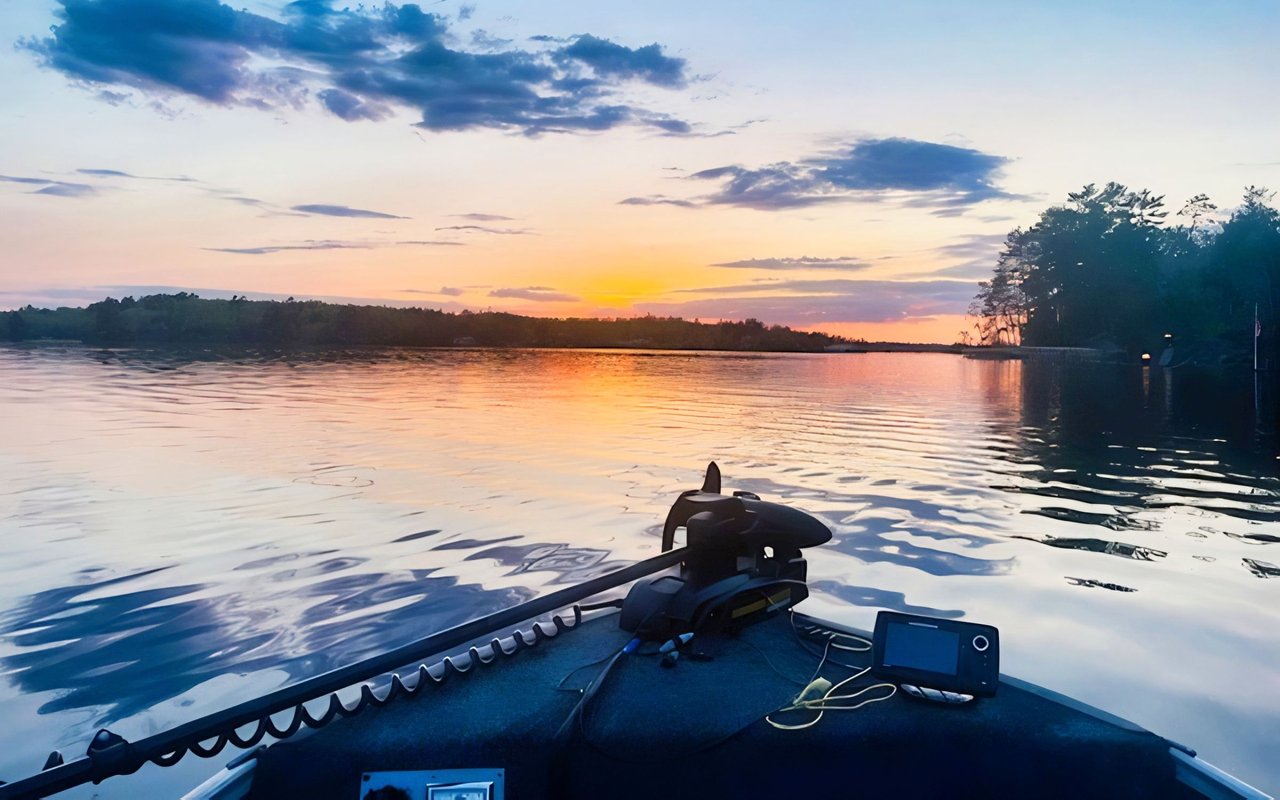
Summer delivers warm temperatures, long daylight, and classic lake living. This is the busiest time on the water and at public launches, marinas, and restaurants. It’s the season most buyers imagine when they think of Lake Vermilion.
Recreation and rhythm
Boating, swimming, and island‑hopping define summer days. Fishing is active for walleye, muskie, and smallmouth bass. Charter guides, marinas, and outfitters operate at full capacity. You’ll find tournaments and community events on many weekends.
Community and services
Most businesses run summer hours. Marinas, bait shops, resorts, and restaurants offer full service, and it’s common to see a mix of year‑round residents and seasonal owners. Many lake homes are used as vacation cabins or short‑term rentals.
Homeowner checklist
- Keep up with lawn, vegetation buffers, and shoreline care.
- Clean, drain, and dry boats and equipment to reduce invasive species spread.
- Service boats and lifts, and schedule any septic pumping that is due.
- Book contractors early. Summer calendars fill fast.
Fall: color, quiet, and big fish
Weather and timing
Temperatures cool, and fall color typically peaks from late September into early October in northern Minnesota. Water stays comfortable for a while, and the lake gets calmer as vacation traffic eases.
Recreation and rhythm
Fall is a favorite for anglers seeking trophy walleye and muskie. Boating continues with fewer crowds, and on land, hunting seasons increase activity in forests and fields. The shoulder season is excellent if you prefer a quieter pace.
Wildlife and scenery
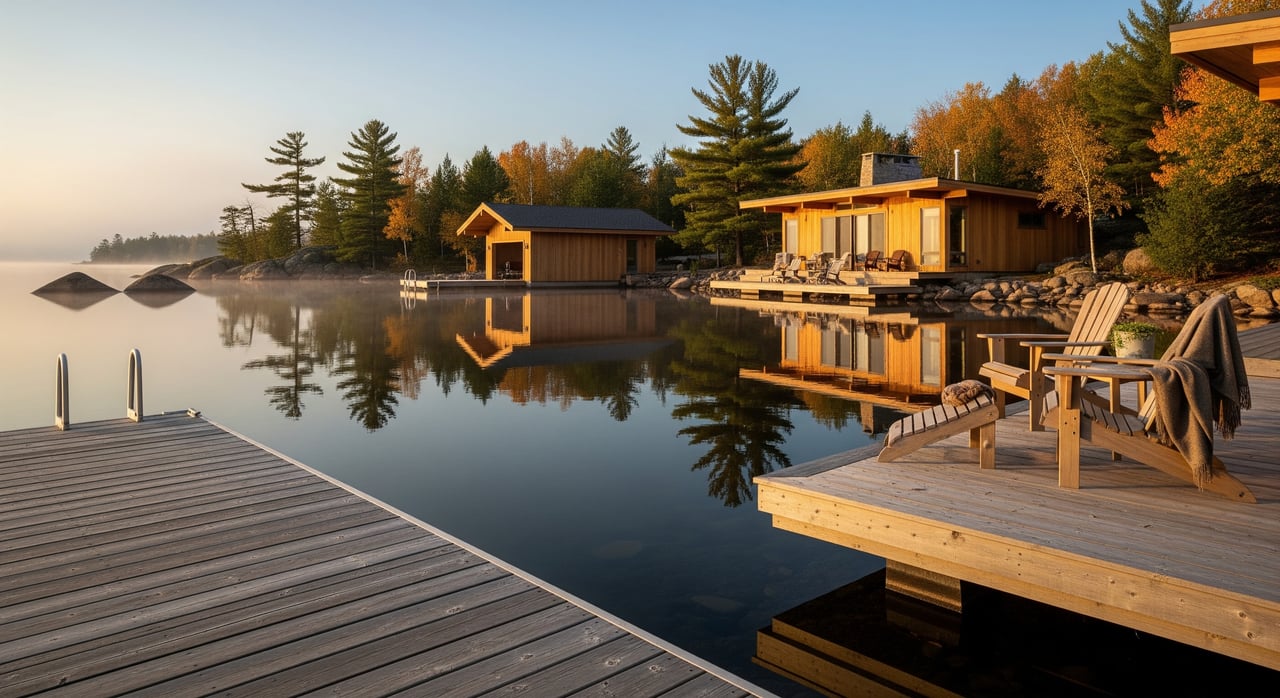
Look for migrating waterfowl and raptors. Loons begin to move out later in the season. Crisp mornings can bring fog over still water and dramatic reflections of red and gold shorelines.
Homeowner checklist
- Book winterization for plumbing, propane systems, and any irrigation.
- Plan dock removal or adjust for ice and low water levels.
- Schedule final septic maintenance and fall clean‑up.
- Store outdoor furniture and prep generators if you have one.
Winter: quiet beauty and access
Ice conditions
The lake typically freezes enough for winter activities, but thickness and timing vary each year. Always verify local ice conditions before you travel, and follow safety guidance from authorities. Island owners sometimes use ice routes for access when conditions allow.
Recreation and rhythm
Ice fishing is popular across the lake. Snowmobile clubs groom regional trails, and you’ll find cross‑country skiing, snowshoeing, and fat‑tire biking nearby. Winter weekends can be peaceful, with clear skies, stars, and quiet snow.
Community and services
Some resorts and lodges offer winter packages, while many seasonal businesses reduce hours or close. Community centers, trail clubs, and marinas that remain open become helpful hubs for updates and services.
Homeowner checklist
- Winterize all systems and set a plan for heat and fuel deliveries.
- Check generator readiness if you rely on backup power.
- Monitor roof snow loads and vents.
- Arrange for snow removal and periodic property checks if you are away.
Recreation, parks, and local infrastructure
Lake Vermilion is known for fishing, especially walleye and muskie, along with year‑round recreation. Public boat launches and marinas serve the lake, and many properties have private docks. Lake Vermilion‑Soudan State Park offers hiking, camping, and winter trails, which means you can enjoy the outdoors even when you are not on the water.
Regional trail systems support snowmobiling in winter and ATV riding on designated routes in warm months. You’ll also find bait shops, restaurants, lodging, and contractors for services like dock installation, septic care, and winterization. Most of these providers plan around the seasons, so reserve early for spring and summer appointments.
Emergency response in remote areas can take longer than in urban settings. When you evaluate properties, consider the distance to medical facilities and fire services, especially if you plan to visit in winter.
Buying on Lake Vermilion: what to know
Property types and access
You’ll see everything from historic log cabins and classic seasonal cottages to modern luxury retreats and private islands. Many shoreline homes have road access. Some islands are boat‑access only, which changes how you plan for supplies, fuel, and maintenance.
Utilities and systems
Common systems include private wells, septic tanks and drain fields, and propane or wood heat. Grid electricity serves much of the shoreline, but some islands rely on generators or solar, and winter fuel deliveries may be limited or scheduled. Ask for system details early so you can budget and plan.
Shoreline rules and permits
Docks, rip‑rap, and landscaping near the water can be regulated. Minnesota shoreland rules and St. Louis County ordinances define setbacks, lot sizes, and what needs a permit. Before you cut vegetation or build, verify what is allowed for the specific parcel.
Taxes and insurance
Property taxes vary by parcel and by how the property is classified, such as seasonal cabin or year‑round residence. Insurance premiums can be higher for remote and waterfront structures. Ask about requirements, including any need for separate flood coverage based on official maps.
Island ownership logistics
Island living is special, but it changes timelines and budgets. Materials often need to be ferried, which can extend construction schedules. Many owners coordinate with private services for deliveries and plan projects around the boating season and safe ice windows.
Smart‑buyer checklist
- Verify shoreland zoning, setbacks, and permitted uses.
- Confirm utilities: well, septic status, electricity, propane availability.
- Ask about island access, docking, and winter accessibility if relevant.
- Review shoreline condition and vegetation buffers; watch for erosion.
- Request recent septic inspection records and water test results.
- Understand local emergency response times and nearest medical care.
- Check any association or private road agreements.
How seasons shape your search
Timing matters on a northern lake. In spring and early summer, you can evaluate docks, lifts, and water access right after ice‑out. In peak summer, you will see real‑world boat traffic and how a bay handles wakes and noise. Fall lets you test heating systems and see how a property performs in cooler weather. Winter visits reveal insulation, access, and what it takes to maintain the home in snow and cold.
Contractors book quickly in spring and summer, especially for docks, septic work, and shoreline projects. If you know you want changes, talk with local providers early and plan around weather and access. For island properties, build extra time into every step.
Stewardship and safety
Good lake living balances fun with care for the resource. Clean, drain, and dry boats to limit invasive species. Keep native vegetation where possible to protect shorelines and water quality. Respect wildlife, especially nesting loons and eagles in spring and early summer. Always verify ice conditions locally before traveling on the lake in winter.
Ready to explore Vermilion?
If Lake Vermilion fits your vision, you deserve a guide who knows the water, the seasons, and the rules. With hands‑on experience running a resort and marina, plus deep knowledge of shoreland regulations and island logistics, Chessica Olson can help you compare bays, understand systems, and plan for year‑round living. Whether you want a classic cabin, a private island, or a modern retreat, you’ll get clear steps and local insight. Thinking of selling a Vermilion property? Get Your Instant Home Valuation.
FAQs
When is Lake Vermilion busiest for visitors and boat traffic?
- Summer from June through August, plus select tournament weekends, sees the most activity, while spring and fall are quieter shoulder seasons.
Can you live on Lake Vermilion year‑round?
- Yes, many homes are year‑round, but confirm winter road maintenance, heating systems, and access for the specific property before you buy.
How long is the drive from the Twin Cities to Lake Vermilion?
- Plan for roughly 4 to 5 hours by car depending on your route and traffic, with services concentrated in towns along the way.
What should first‑time island buyers plan for on Lake Vermilion?
- Budget for boat‑only access, delivery logistics, potential generator or solar setups, and longer timelines for construction and maintenance.
What seasonal maintenance should a lake homeowner expect?
- Spring commissioning and dock install, summer landscaping and boat care, fall winterization, and winter snow removal and system monitoring.
Are there parks and public lands for four‑season recreation?
- Yes, Lake Vermilion‑Soudan State Park and regional trail systems offer hiking, camping, skiing, snowmobiling, and more throughout the year.