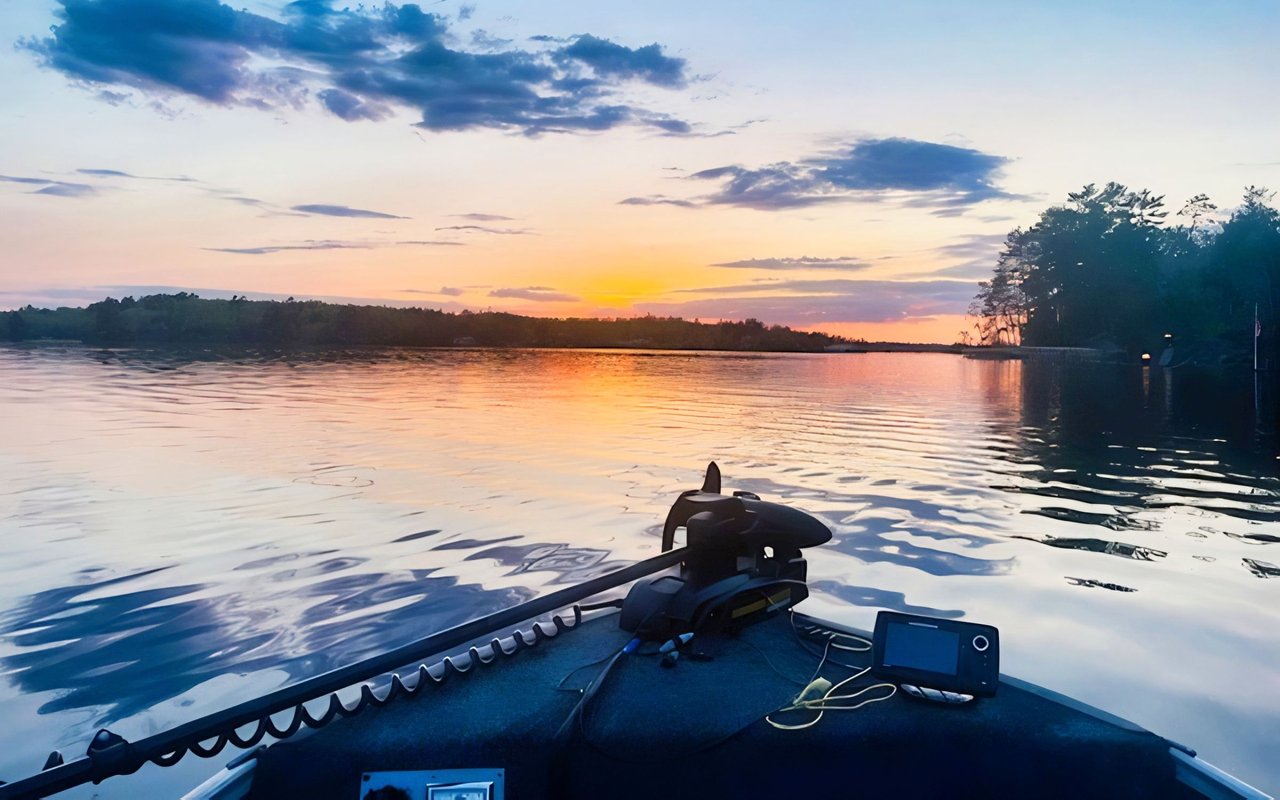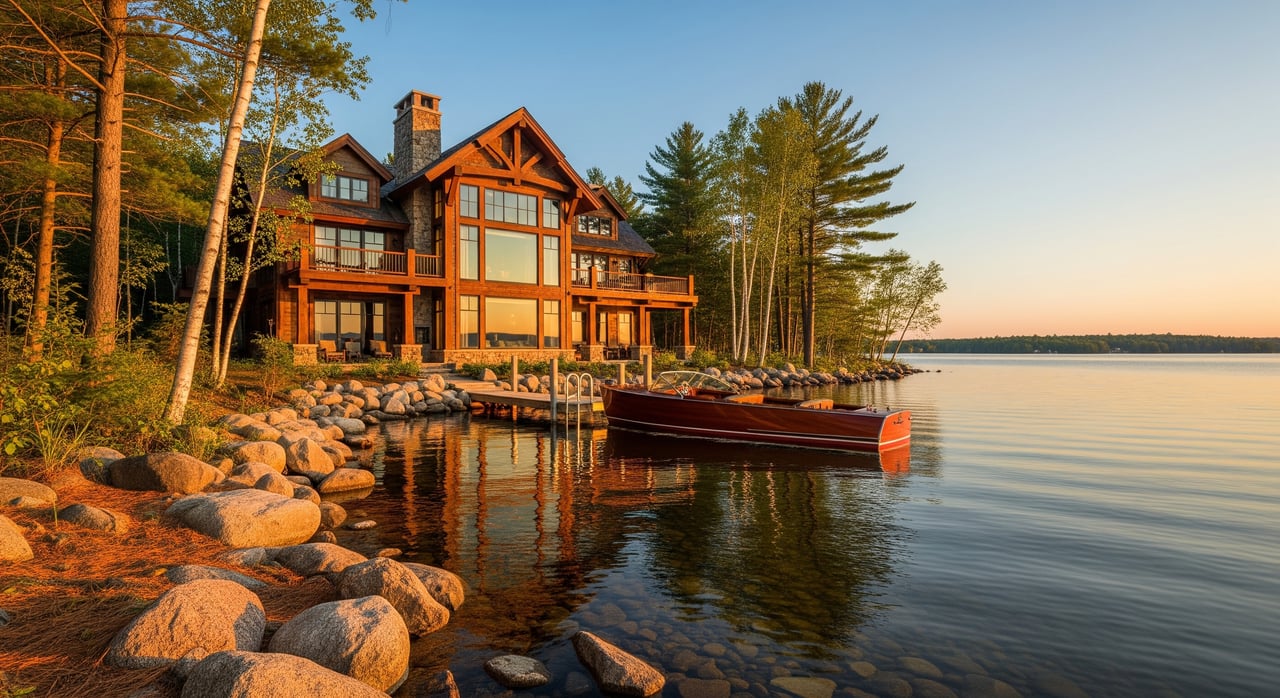
Thinking about buying a resort or marina in Northern Minnesota but not sure where to start? You are not alone. Resort real estate around Orr in St. Louis County runs on a very different rhythm than a typical single-family home. In this guide, you will learn how the local market works, what drives value, what operations really take, and the permits and due diligence you should plan for before you write an offer. Let’s dive in.
Orr market basics
Orr sits in northern St. Louis County in Minnesota’s lake-and-forest country. Properties here are rural and lake oriented. Demand is driven by outdoor recreation like fishing, boating, hunting, snowmobiling, fall color viewing, and cross-country skiing.
Year-round population in small towns like Orr is modest, so seasonal visitors and second-home owners provide much of the lodging and marina demand. Your plan should reflect this. Peak revenue often comes from a short summer window, with shoulder seasons and winter activities extending the calendar where conditions and access allow.
Access and utilities vary by parcel. Road quality, distance to larger service centers, and broadband availability can shape both occupancy and operating costs. Proximity to popular lakes, public boat launches, and trail networks can improve year-round potential.
Asset types you will find
Resort and marina properties around Orr often fall into a few common categories:
- Small cabin resorts: Several individual cabins plus an owner or manager unit.
- Lakeside lodges: Clustered guest rooms with common dining or gathering areas.
- Marinas and multi-slip facilities: Seasonal and transient slip rentals, boat ramp, optional fueling, storage, and winterization.
- Mixed-use properties: Lodging combined with marina services, bait or small retail, equipment rentals, and guided trips.
- Undeveloped shoreline: Raw acreage with potential for future cabins, dock expansion, or storage.
Each type has different capital needs, staffing profiles, and revenue mixes. Your underwriting should match the property’s footprint and permitted uses.
What drives value
Resort valuation in rural northern markets is as much about operations and permits as it is about buildings. Key drivers include:
- Waterfront quality: Shoreline type, water depth at docks, and exposure to open water or protected bays.
- Permitted capacity: The number of rentable units allowed by shoreland rules, dock permits, and septic capacity.
- Infrastructure condition: Septic systems, private wells, electrical service, road access, parking, and broadband.
- Revenue diversity: Lodging nights, slip rentals, fuel, equipment rentals, food and retail, guides, and event income.
- Comparable sales: Resort and marina comps can be sparse. Look to recent sales of similar multi-cabin or marina assets in St. Louis County and nearby counties.
- Season length: How many months the property can realistically generate revenue.
When you review a listing, ask for a basic valuation package:
- Recent P&L statements and month-by-month occupancy if available.
- Average daily rate and RevPAR trends in peak months.
- Slip counts, permits, and utilization data for marina components.
- Septic, well, dock, and fuel system documentation.
- History of capital expenditures and maintenance logs.
Seasonality and cash flow
Northern Minnesota resorts commonly concentrate a large share of annual revenue into a 3 to 4 month summer window. Peak season typically runs late May or June through August when boating and family vacations are strongest.
Shoulder seasons can add meaningful revenue. In May, ice-out timing matters for early anglers. September and October bring fall foliage and hunting demand. Depending on snow and ice conditions, winter months can support ice fishing, snowmobiling, and cross-country skiing.
Plan your cash flow to carry off-season costs. Heating, insurance, taxes, and loan payments do not stop in November. Many owners schedule maintenance and upgrades when cabins are offline.
Revenue streams to model
Diversifying income is a core strategy for Orr-area resorts and marinas. Common streams include:
- Overnight lodging: Nightly and weekly rentals, or seasonal leases.
- Marina slip fees: Seasonal and transient moorage.
- Boat and equipment rentals: Pontoons, fishing boats, personal watercraft, kayaks.
- Fuel sales: If permitted and properly equipped.
- Food and retail: Convenience items, bait, and tackle.
- Guided services: Fishing guides and seasonal tour add-ons.
- Events and groups: Small weddings, retreats, and meetings.
- Winter services: Snowmobile storage, heated cabins, or trailside packages.
KPIs to request
Ask sellers for data that shows demand and guest satisfaction:
- Occupancy by month, average daily rate, and RevPAR.
- Slip utilization and seasonal pricing.
- Ancillary revenue per occupied unit.
- Percentage of repeat guests and booking channel mix.
- Review scores and feedback trends on major platforms.
Operations and staffing
Running a resort or marina is hands-on. Day-to-day work changes with the seasons, and reliable staffing is essential during peak months.
Facilities and grounds need consistent attention. Expect dock repairs, roof and septic maintenance, shoreline care, and a spring un-winterization and fall winterization cycle.
Housekeeping and turnovers drive guest experience. Peak season requires tight scheduling, laundry logistics, and either an in-house team or dependable contractors. Clear standard operating procedures help maintain cleanliness across short changeovers.
Guest services go beyond key exchange. You may handle in-person or remote check-in, boat rental briefings, safety walk-throughs, and basic concierge tasks like connecting guests to guides. A strong reservation system, clear deposit and cancellation policies, and yield management for holidays will improve results.
Staffing can be challenging in rural areas. Owners often blend an onsite manager with seasonal housekeeping, dockhands, maintenance, and retail or food staff when applicable. Options include recruiting from nearby towns, offering staff housing, or using seasonal visa programs where appropriate. Training in boating safety, first aid, and food handling supports both safety and service.
Guest experience essentials
Guest expectations have risen. Visitors still seek an authentic Northwoods stay, but cleanliness, reliability, and modern basics go first on the list.
- Prioritize clean accommodations and dependable water, heat, and electricity.
- Ensure safe docks, clear wayfinding, and easy boat access.
- Provide Wi-Fi where possible. Even limited rural service is often expected.
- Modernize kitchens and bathrooms over time to lift rates and reviews.
- Add simple amenities like fire pits and good shoreline access. Consider pet-friendly options if allowed.
- Offer local knowledge and guided experiences that showcase fishing or winter recreation.
Small improvements that reduce friction and boost comfort typically raise occupancy and pricing power.
Permits and compliance checklist
Resort and marina ownership touches multiple agencies. Confirm current compliance and plan for any upgrades.
- Shoreland zoning and land use: St. Louis County rules define setbacks, impervious surface limits, allowed uses, and development intensity.
- Docks and water access: Minnesota DNR oversight can apply to docks, piers, ramps, and lakebed use. Dock counts and configurations matter.
- Septic and wells: Systems must meet standards administered by the Minnesota Pollution Control Agency and county offices. The Minnesota Department of Health oversees private well compliance.
- Fuel and petroleum storage: If selling fuel, follow MPCA regulations, spill prevention requirements, and local fire codes.
- Food service and retail: Minnesota Department of Health permits and local rules apply. Liquor licensing is a separate process if relevant.
- Lodging and sales taxes: Understand local lodging taxes and state tax collection for short-term rentals.
- ADA and building codes: Public spaces and certain renovations may trigger accessibility and code requirements.
Environmental risk deserves attention. Plan for aquatic invasive species prevention, shoreline erosion standards, and a Phase I Environmental Site Assessment on larger deals. Ask for any historical environmental records, including tank registrations or spill reports.
Document safety protocols. Keep life jackets visible, maintain fire extinguishers and first-aid kits, track staff training records, and use waivers for boat rentals and guided trips as appropriate.
Financing and taxes
Financing often comes from banks familiar with rural hospitality assets. Small Business Administration programs like SBA 7(a) and SBA 504 are common for acquisitions or expansions. USDA rural business programs may fit certain projects. Lender appetite improves with solid cash flow history and adequate collateral.
Budget for property taxes, including potential personal property tax on equipment and tanks. You are responsible for collecting and remitting state sales tax and any applicable local lodging taxes on rentals. Work with your accountant to separate real property from business personal property where appropriate.
Insurance is a key line item. Typical coverage includes commercial property, general liability, watercraft liability, workers’ compensation, business interruption, pollution liability for fuel operations, and inland marine for movable gear. Premiums depend on location, forest and wildfire exposure, fuel operations, slip count, and guest activities.
Loss prevention reduces risk and may help premiums. Keep maintenance logs, use clear safety signage, maintain life jacket availability, and train staff in CPR and AED use. Have a written fuel spill prevention plan if you operate a pump.
Due diligence roadmap
Use a structured approach before you go under contract.
- Title and access
- Verify shoreline access rights, easements, and any public access that crosses the property.
- Permits and capacity
- Gather shoreland permits, DNR dock documentation, septic and well approvals, and any fuel, food, or retail permits. Confirm septic capacity aligns with unit count.
- Financial and operational records
- Request three years of P&Ls, tax returns, utility bills, occupancy calendars, slip utilization, and a capex history. Ask for vendor contracts such as fuel deliveries and linen service.
- Physical inspection
- Inspect docks, roofs, septic and well systems, fuel tanks, boathouses, and road access. Confirm electrical capacity for dock pumps and operations.
- Environmental review
- Order a Phase I ESA. If red flags arise, follow with targeted testing for tanks or potential contamination.
- Insurance and staffing
- Obtain insurance quotes and ask for the property’s claims history. Review employee records and any payroll liabilities if staff will transfer.
- Market validation
- Cross-check demand assumptions with regional tourism patterns and marina usage indicators. Seasonality is powerful here, so model conservative occupancy and rates.
How a local advisor helps
A Northern Minnesota resort transaction involves real property, water access, business operations, and multiple permits. Having a locally rooted broker with operational resort and marina experience can save weeks of trial and error. You can expect practical guidance on docks, shoreland rules, septic capacity, and the realities of short peak seasons. You also gain a marketing and distribution platform that reaches qualified buyers and vendors when it is time to sell or expand.
If you are weighing a resort or marina around Orr or nearby lake country, let’s talk through your plan, timeline, and due diligence priorities. Connect with Chessica Olson for local insight and a clear path from first look to closing.
FAQs
What is the operating season for Orr-area resorts?
- Peak demand typically runs June through August, with shoulder and winter months dependent on ice-out, snowfall, and nearby recreation infrastructure.
Which permits matter most when buying a marina near Orr?
- Focus on shoreland zoning limits, DNR dock documentation, septic and well approvals, and any fuel storage or food service permits tied to the business.
How should I plan for staffing at a rural resort?
- Expect a mix of an onsite manager plus seasonal housekeeping, dockhands, and maintenance, with possible staff housing to attract workers during peak months.
What are the biggest operational risks for these properties?
- Environmental liability around fuel and invasive species, aging infrastructure like septics and docks, unreliable broadband, and concentrated seasonality.
What financing options are common for small resorts in St. Louis County?
- Conventional commercial loans, SBA 7(a) or 504 programs, and USDA rural business financing may apply depending on cash flow, collateral, and project scope.
What documents should I request from a resort seller?
- Ask for multi-year P&Ls, occupancy and ADR by month, slip utilization, septic and well records, permits, capex history, vendor contracts, and insurance information.