Looking at waterfront in Tower can feel simple at first glance. You see Lake Vermilion on the map and assume every shoreline property offers the same lifestyle. In reality, Tower gives you several very different waterfront options, and the best fit depends on how you plan to use the property, how often you will be here, and how much complexity you want to manage. If you understand those differences early, you can shop smarter and avoid expensive surprises. Let’s dive in.
Why Tower waterfront stands out
Tower sits directly on Lake Vermilion, and that matters more than many buyers realize. The city describes a downtown harbor with direct lake connection, a city-owned seaplane base, and year-round community services and recreation.
That combination gives Tower a broader waterfront profile than a place built only around seasonal cabins. If you want a property that supports summer fun but also works for regular visits or full-time living, Tower deserves a close look.
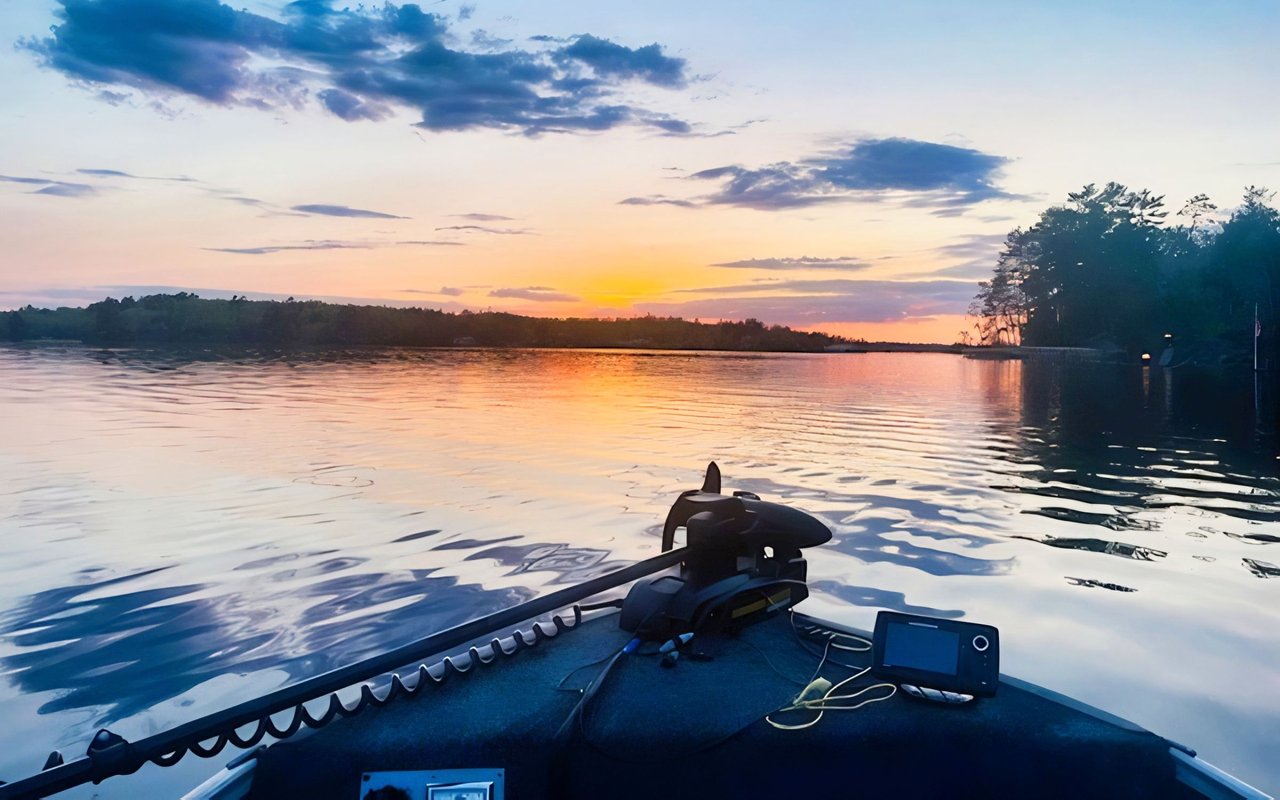
Lake Vermilion is the main draw. According to the Minnesota DNR, the lake spans 39,271 acres, stretches 37 miles end to end, includes 365 islands, and has 341 miles of shoreline.
It is also classified as a General Development lake. In practical terms, that means it is a large, heavily used lake with an established pattern of recreation and shoreline development, which makes it a natural setting for both cabins and year-round homes.
Main waterfront options in Tower
Not all waterfront in the Tower area serves the same buyer. Some properties are about convenience and everyday access, while others are more about privacy, paddling, or development potential.
In-town shoreline and harbor parcels
If you want lake access with easier access to town amenities, this is one of the most practical options. The Tower Economic Development Authority describes developable property around the city harbor with direct lake connection and notes nearby land suitable for recreational residential, hotel lodging, and water-oriented commercial activity.
For many buyers, this category offers the best blend of water access, road convenience, and proximity to a year-round community. It can be especially appealing if you do not want to feel isolated every time you come up to the lake.
Main-lake cabins and year-round homes
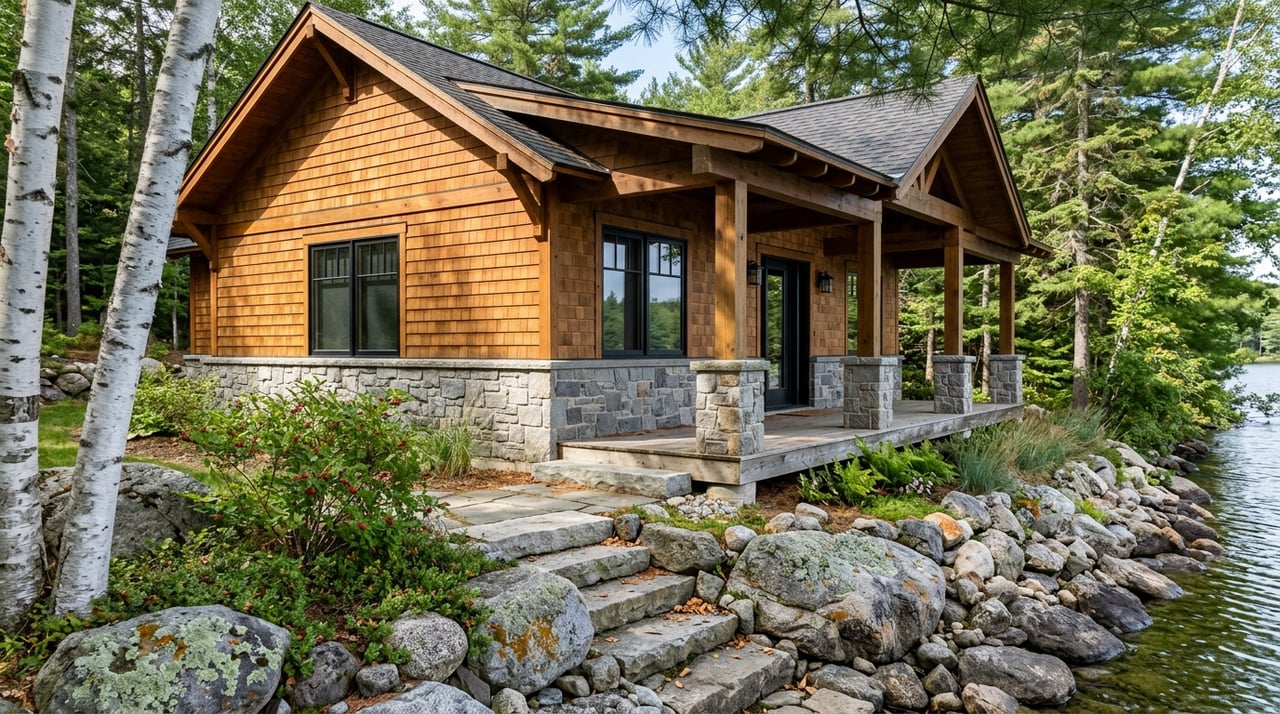
This is the classic Lake Vermilion experience. Think homes and cabins on points, bays, or islands, often with wide views, direct boating access, and a stronger sense of being immersed in lake life.
These properties can offer privacy and scenery, but they may also bring more maintenance and more exposure to weather and wave action. If your goal is a traditional waterfront lifestyle, this is often the clearest fit.
Water-access and off-water homes
Some buyers want the Lake Vermilion lifestyle without owning private shoreline. That is where water-access or off-water homes can make a lot of sense.
The DNR notes that public water accesses are generally open 24 hours a day unless posted otherwise. A recent DNR notice also stated that Lake Vermilion has 17 public water accesses and 11 DNR-managed overnight parking sites, which gives buyers multiple ways to get on the water without paying for private frontage.
Riverfront and paddler-focused parcels
The Vermilion River is a very different product from Lake Vermilion. DNR water-trail materials describe it as a 42-mile river flowing north from Lake Vermilion to Crane Lake through a rugged, forested setting with few accesses and many rapids.
This is not the easiest match for buyers who want simple marina-style boating. It is a stronger fit if you care more about canoeing, kayaking, scenery, and a quieter waterfront setting.
Development and mixed-use waterfront sites
Some Tower waterfront is less about private enjoyment and more about future use. Harbor-adjacent land may appeal to investors, developers, or buyers exploring lodging, marina-related, or water-oriented commercial ideas.
That niche is one reason Tower stands out in the broader Lake Vermilion market. It is not just a cabin market. It also has pockets where waterfront can support a business or mixed-use vision.
Best options for different buyers
The right property depends on your goals more than the listing category. Two lakefront homes can look similar online but function very differently once you factor in access, location, and how you actually plan to use the water.
Best fit for year-round residents
If you plan to live in Tower full time, focus on in-town shoreline, harbor-adjacent homes, or sheltered main-lake homes with reliable road access. Tower’s city materials highlight schools, health services, civic groups, and year-round recreation, which is important if you want more than a seasonal base.
For full-time use, convenience matters. You may love the idea of a more remote shoreline, but an easier drive, simpler winter access, and closer connection to town can make daily life much smoother.
Best fit for weekend cabin buyers
Weekend buyers often do best with classic Lake Vermilion cabins on bays, points, or islands, or with access-based properties that reduce maintenance. The lake’s islands, rocky shorelines, and strong recreation culture make it an easy match for buyers who want a true Up North retreat.
This can be a great category if you care most about views, fishing, boating, and family time. If you will only use the property part time, it is worth thinking carefully about upkeep, dock logistics, and how much work you want every visit to involve.
Best fit for anglers
If fishing is your top priority, Lake Vermilion is usually the most obvious answer. The DNR identifies the lake as a premier walleye and muskellunge destination, and also notes habitat that supports northern pike, smallmouth bass, bluegills, crappies, and largemouth bass.
For anglers, sheltered bay access, weed edges, and proximity to launches can matter just as much as the house itself. A smaller or simpler property in the right location can outperform a bigger home with less convenient access to your preferred water.
Best fit for boating buyers
If boating is central to your search, look closely at harbor-adjacent homes, launch-close lots, or parcels with simple dock setup and protected water. Tower’s harbor connection and the number of public launches on Lake Vermilion support an active boating lifestyle.
Still, access details should never be assumed. The DNR’s Moccasin Point redevelopment notice is a good reminder that launch availability can change, so buyers should verify current access status near the time they purchase.
Best fit for investors and developers
If you are evaluating waterfront through an investment lens, Tower’s harbor area deserves attention. TEDA specifically references potential for residential, hotel, and water-oriented commercial uses in that area.
That makes this a distinct niche within the local market. Older resort sites, mixed-use frontage, and harbor-related parcels may require more due diligence, but they can also offer opportunities that standard cabin listings do not.
What lifestyle do you want?
Before you compare listings, it helps to define the kind of waterfront experience you actually want. In the Tower area, that answer usually falls into one of a few buckets.
Ask yourself:
- Do you want full-time living or a weekend escape?
- Do you want big-lake boating or quiet paddling?
- Do you want private shoreline or simpler access through public launches?
- Do you want to be near town or farther out?
- Do you want a home, a cabin lot, or a property with business potential?
Those answers can narrow your search fast. They also help you avoid paying for features that sound attractive but do not support how you will really use the property.
Due diligence matters on Tower waterfront
Waterfront buying always comes with extra layers, and Tower is no exception. Shoreland rules affect what you can build, where you can place structures, and what changes may require approval.
The DNR states that shoreland classifications influence lot area and width, structure and septic setbacks, and shore impact zone standards. It also notes that local governments make the actual land-use decisions.
In St. Louis County, permit questions can involve buildings, additions, on-site sewer systems, grading and filling, fences, and wetland-related work. That means you should verify any improvement plans with county planning and zoning before you assume a dock area, addition, or lot upgrade will work the way you hope.
Maps and tools to review before buying
A good waterfront search is not just about photos. Public mapping and access tools can help you understand what a property really offers.
The DNR’s LakeFinder includes lake surveys, depth maps, water clarity, water access sites, and lake maps. Public Waters Inventory maps help identify public waters and the ordinary high-water-level boundary, while county access maps can help you review launch locations around the lake.
For boating buyers, this step is especially important. Access points and launch status can change during construction or seasonal closures, so current information matters.
Why local guidance helps
Tower-area waterfront is full of variety, which is exactly what makes it exciting. It is also why the right advice can save you time and help you avoid buying the wrong type of property for your goals.
Whether you are comparing a harbor-area parcel, a classic main-lake cabin, an off-water home near a public access, or a more specialized riverfront or development site, it helps to work with someone who understands how these properties function in real life. If you want a local guide who knows Lake Vermilion waterfront from both the real estate side and the day-to-day lake side, connect with Chessica Olson.
FAQs
What types of waterfront properties are available in Tower, MN?
- Tower offers in-town shoreline and harbor-adjacent parcels, main-lake cabins and year-round homes on Lake Vermilion, water-access or off-water homes, riverfront parcels on the Vermilion River, and some development or mixed-use waterfront sites.
Which Tower waterfront properties work best for year-round living?
- In-town shoreline, harbor-adjacent homes, and sheltered main-lake homes with straightforward road access are often the most practical choices for full-time living in Tower.
Is Lake Vermilion better than the Vermilion River for boating buyers?
- For most buyers who want easier boating, docking, and launch access, Lake Vermilion is the better fit. The Vermilion River is more rugged, has limited access, and is better suited to experienced paddlers.
Can you enjoy Tower waterfront without owning private shoreline?
- Yes. Water-access and off-water homes can still support a strong lake lifestyle because Lake Vermilion has multiple public water accesses and DNR-managed overnight parking sites.
What should buyers verify before purchasing Tower waterfront property?
- Buyers should verify shoreland rules, setbacks, septic and building requirements, access details, and any plans for grading, filling, or shoreline improvements with the appropriate local authorities before closing.