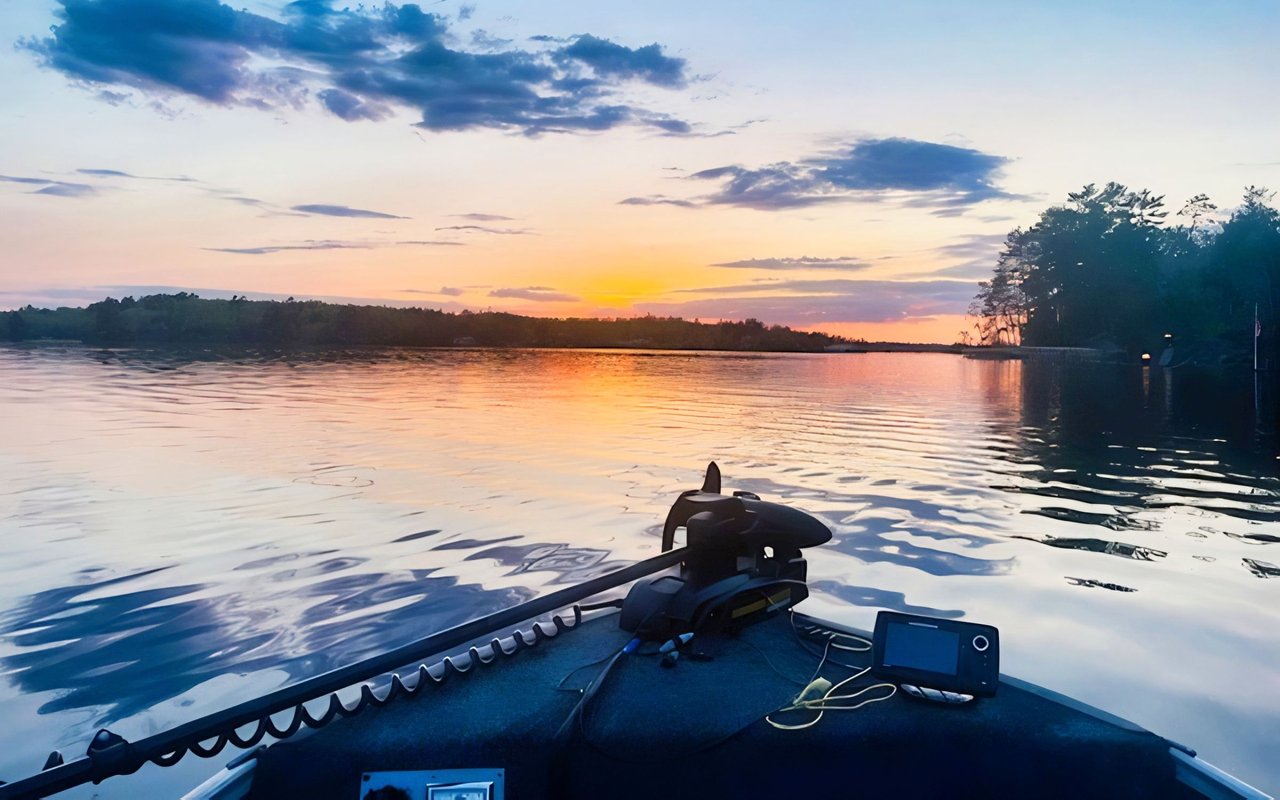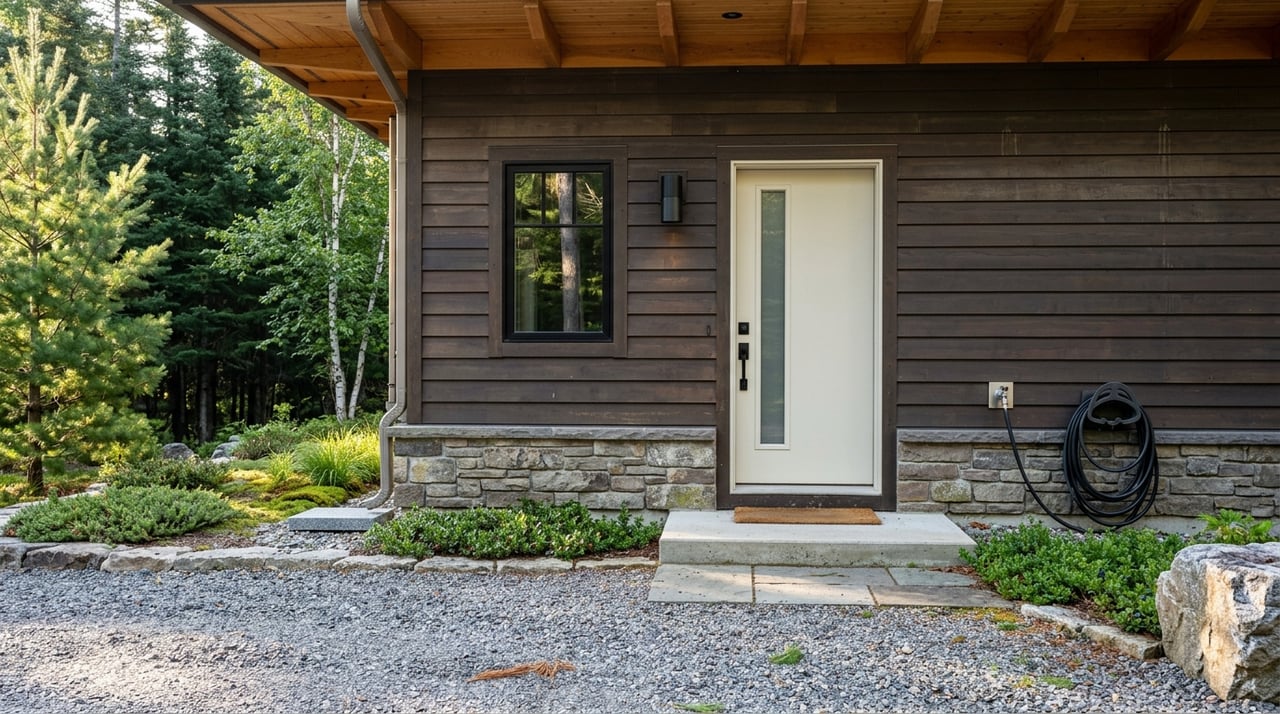
If you live in the Twin Cities, buying a second home on Lake Vermilion can feel equal parts exciting and overwhelming. You are not just buying a house a little farther from the metro. You are choosing a property on a 39,271-acre lake with 365 islands, 341 miles of shoreline, and very different conditions from bay to bay. The good news is that a smart checklist can make the process much more manageable. Let’s dive in.
Why Lake Vermilion Requires Extra Planning
Lake Vermilion is a true destination property, not a quick weekend errand. According to the Minnesota DNR’s Lake Vermilion overview, the lake stretches 37 miles end to end, which means privacy, access, shoreline exposure, and boating logistics can vary a lot depending on the property.
For Twin Cities buyers, distance changes how you search. Lake Vermilion Resorts notes that the lake is about 210 miles, or roughly 3.5 hours, from Minneapolis-St. Paul by car. That usually means you will want to group showings, inspections, walkthroughs, and contractor visits into efficient trips instead of making multiple last-minute drives.
The setting also shapes what matters most. The DNR notes that parts of the lake connect with the Superior National Forest and the Boundary Waters entry area, which adds to the northwoods appeal and seasonal use patterns. In practice, many second-home buyers end up weighing access, storage, maintenance, and winter planning just as carefully as bedroom count or finishes.
Start With Your Financing Plan
Before you tour properties, make sure your budget covers more than the sale price. Freddie Mac’s closing day checklist reminds buyers to prepare for the down payment, closing costs, taxes, insurance, and certified funds needed at closing.
It is also important to ask your lender how the home will be classified. Under Fannie Mae second-home occupancy rules, a second home must be occupied by you for part of the year, must be a one-unit property, must be suitable for year-round occupancy, and cannot function as a rental property or timeshare. If you are considering a seasonal cabin or a property you hope to rent heavily, that classification question should come up early.
Freddie Mac says down payments are often in the 5% to 20% range, though the exact number depends on the loan program, credit profile, and property type. If your down payment is under 20%, mortgage insurance may apply. For many second-home buyers, the key step is to confirm financing assumptions before falling in love with a property that may not fit standard guidelines.
Budget for Taxes Like a Second Home
Property taxes can surprise buyers who are used to homestead benefits on their primary residence. The Minnesota Department of Revenue says homestead classification applies when you occupy the property as your sole or primary residence, and married couples may only have one homestead in the state.
That means a Lake Vermilion second home will generally be budgeted as a non-homestead property unless it becomes your principal residence. If your long-term plan is to move to the lake full-time later, it is worth knowing that homestead applications are handled through the county assessor and are due by December 31 for the next tax year.
Review Insurance Early
Insurance is another item to handle sooner rather than later. The Consumer Financial Protection Bureau explains that lenders typically require homeowners insurance, but standard homeowners policies usually do not cover flood damage.
For lakefront property, flood questions should be part of your due diligence. FEMA guidance, as cited by the CFPB, makes clear that flood insurance is required for higher-risk flood zones when a federally backed mortgage is involved. Because flood risk can change over time, checking the property’s flood map status is a smart step during the offer and inspection period.
Check the Well Before You Close
Many northern lake homes rely on private wells, and that makes water testing a must-have conversation. The Minnesota Department of Health says Minnesota does not require private well testing or inspection at the time of transfer, though lenders may require testing.
MDH recommends annual testing for total coliform bacteria, testing for nitrate every other year, and at least one test for arsenic and one for lead in tap water. Sellers also must disclose the number and status of wells and provide a sketch map showing well locations. If a property has a private well, you will want recent records and a clear plan for any follow-up testing.
Verify Septic Records and Condition
Septic systems are one of the biggest due diligence items for lake properties. The Minnesota Pollution Control Agency says owners are responsible for maintenance and that systems must be assessed at least once every three years.
The MPCA also notes that systems should be pumped before solids threaten the drainfield, and local ordinances may be stricter than state rules. In cold-weather markets like Lake Vermilion, winter use and winterization matter too, since freezing can damage a system.
A helpful local resource is St. Louis County’s septic record access through Land Explorer, which is referenced on the county’s land-use pages. Before you close, confirm what kind of system is present, when it was last evaluated, and whether county records match what the seller says.
Understand Shoreland Rules Before You Plan Changes
A beautiful lot can come with limits on what you can change. The Minnesota DNR shoreland guidance explains that shoreland rules set minimum setbacks from the ordinary high water level and bluffs, while local ordinances can be more restrictive.
These rules may affect additions, decks, retaining walls, shoreline stabilization, vegetation clearing, and other site work. They can also limit impervious surface coverage on the lot. If you are buying with renovation ideas in mind, treat every shoreline or bluff-area project as a permit question before you assume it is possible.
Ask About Short-Term Rental Rules Up Front
Some buyers want the option to offset carrying costs with occasional rentals. If that is part of your plan, verify the rules before you write the offer.
St. Louis County says on its short-term rental page that a permit is required in county-administered zoning areas, and permits may need renewal if a property is sold or transferred. The county also notes that some cities and townships handle zoning separately, so the answer can depend on where the property is located.
Build a Remote-Buyer Showing Strategy
Because Lake Vermilion is several hours from the metro, efficiency matters. A well-planned buying trip can save you time, stress, and repeat travel.
For many Twin Cities buyers, a practical approach includes:
- Touring homes virtually first
- Narrowing to the strongest options before driving north
- Scheduling inspections and follow-up items in batches
- Grouping final walkthrough tasks with closing-day logistics
- Using a local agent to preview properties and flag issues early
This kind of planning is especially helpful on a lake as large and varied as Vermilion. What looks close on a map may feel very different in person once you consider roads, shoreline shape, dock setup, and the broader setting.
Plan for Ownership Before the First Winter
The ownership phase starts before closing, not after. If you will use the property seasonally or only on some weekends, routine care matters just as much as the initial purchase.
The Minnesota Department of Health and the MPCA both point to ongoing well and septic care, and the MPCA warns that freezing temperatures can damage septic systems. Before your first winter, it helps to have a short list of local service providers for plowing, dock handling, septic pumping, well service, and emergency access.
That planning is where local knowledge can make a real difference. With lake properties, small details like access, maintenance timing, and site conditions can have an outsized impact on how easy your second-home ownership feels over time.
Your Lake Vermilion Buyer Checklist
Here is a simple checklist you can use as you move from Twin Cities search mode to lake-home due diligence:
- Confirm whether the property fits second-home loan guidelines
- Budget for down payment, closing costs, taxes, and insurance
- Review whether the home will be taxed as non-homestead
- Check homeowners and flood insurance needs early
- Request well disclosures, well maps, and recent water test results
- Verify septic type, maintenance history, and county records
- Ask about shoreland setbacks, bluff restrictions, and permit issues
- Confirm short-term rental rules if rental flexibility matters
- Batch showings, inspections, and closing tasks into efficient trips
- Line up local service providers before your first season of ownership
Buying a second home on Lake Vermilion should feel exciting, not uncertain. When you have a clear checklist and local guidance, you can make confident decisions about financing, due diligence, logistics, and long-term ownership. If you are ready to explore the lake with someone who understands the practical side of waterfront property, connect with Chessica Olson for knowledgeable, hands-on guidance.
FAQs
What should Twin Cities buyers budget for when buying a Lake Vermilion second home?
- You should plan for more than the purchase price, including the down payment, closing costs, property taxes, homeowners insurance, and possibly flood insurance depending on the property.
How do lenders define a Lake Vermilion second home?
- Under Fannie Mae guidelines, a second home must be a one-unit property that you occupy for part of the year, is suitable for year-round use, remains under your exclusive control, and is not treated as a rental property or timeshare.
Do Lake Vermilion second homes qualify for Minnesota homestead taxes?
- In most cases, no, because Minnesota homestead classification generally requires the property to be your sole or primary residence.
What well tests matter for a Lake Vermilion lake home?
- The Minnesota Department of Health recommends testing private wells annually for total coliform bacteria, every other year for nitrate, and at least once for arsenic and lead in tap water.
What should buyers know about septic systems at Lake Vermilion properties?
- Septic systems should be maintained regularly, assessed at least once every three years under Minnesota rules, and checked against county records during the due diligence period.
Can you rent out a Lake Vermilion second home short-term?
- Possibly, but you should verify local zoning and permit requirements first, because St. Louis County requires a permit for short-term rentals in county-administered zoning areas and some jurisdictions manage their own rules separately.